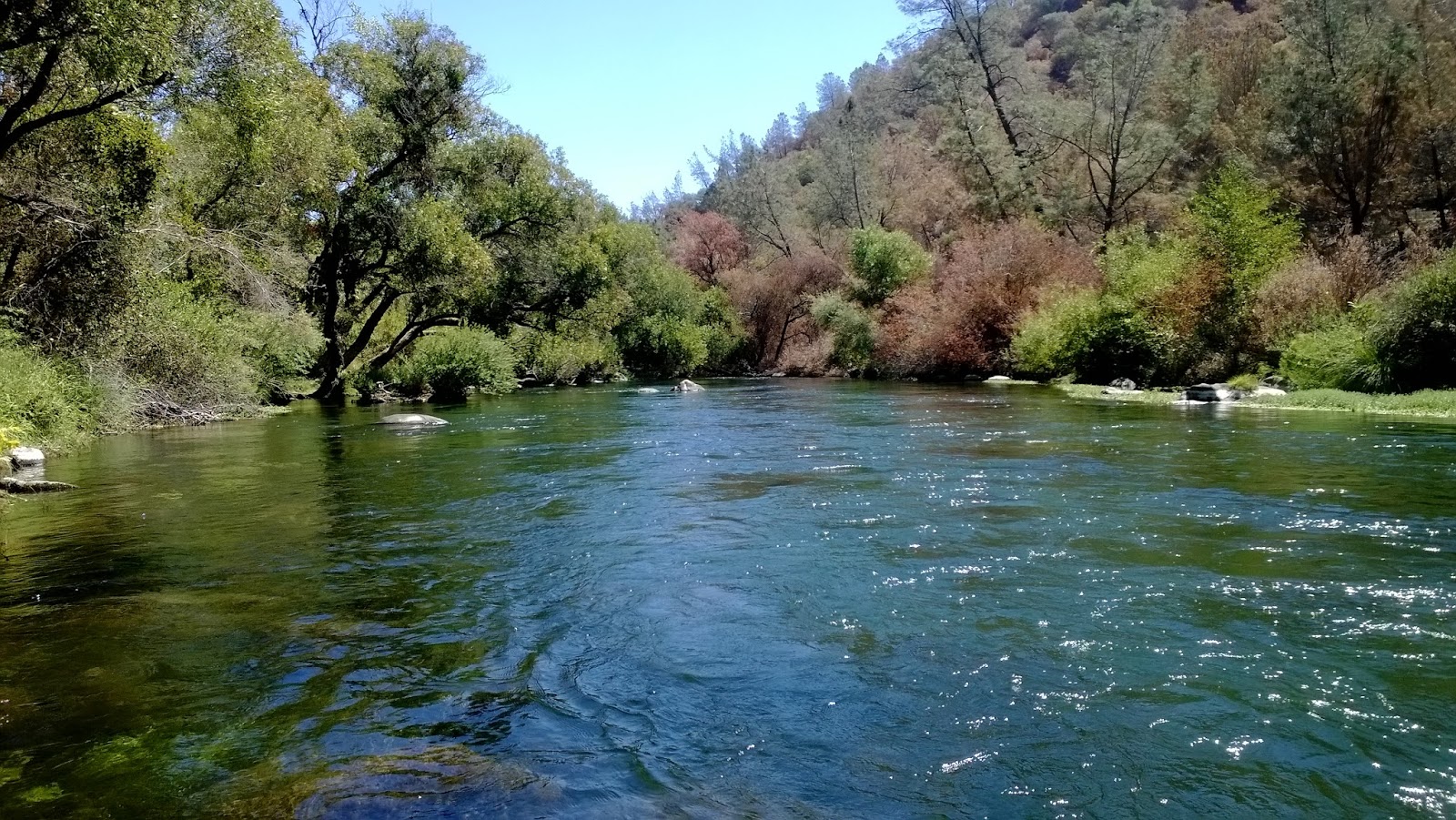
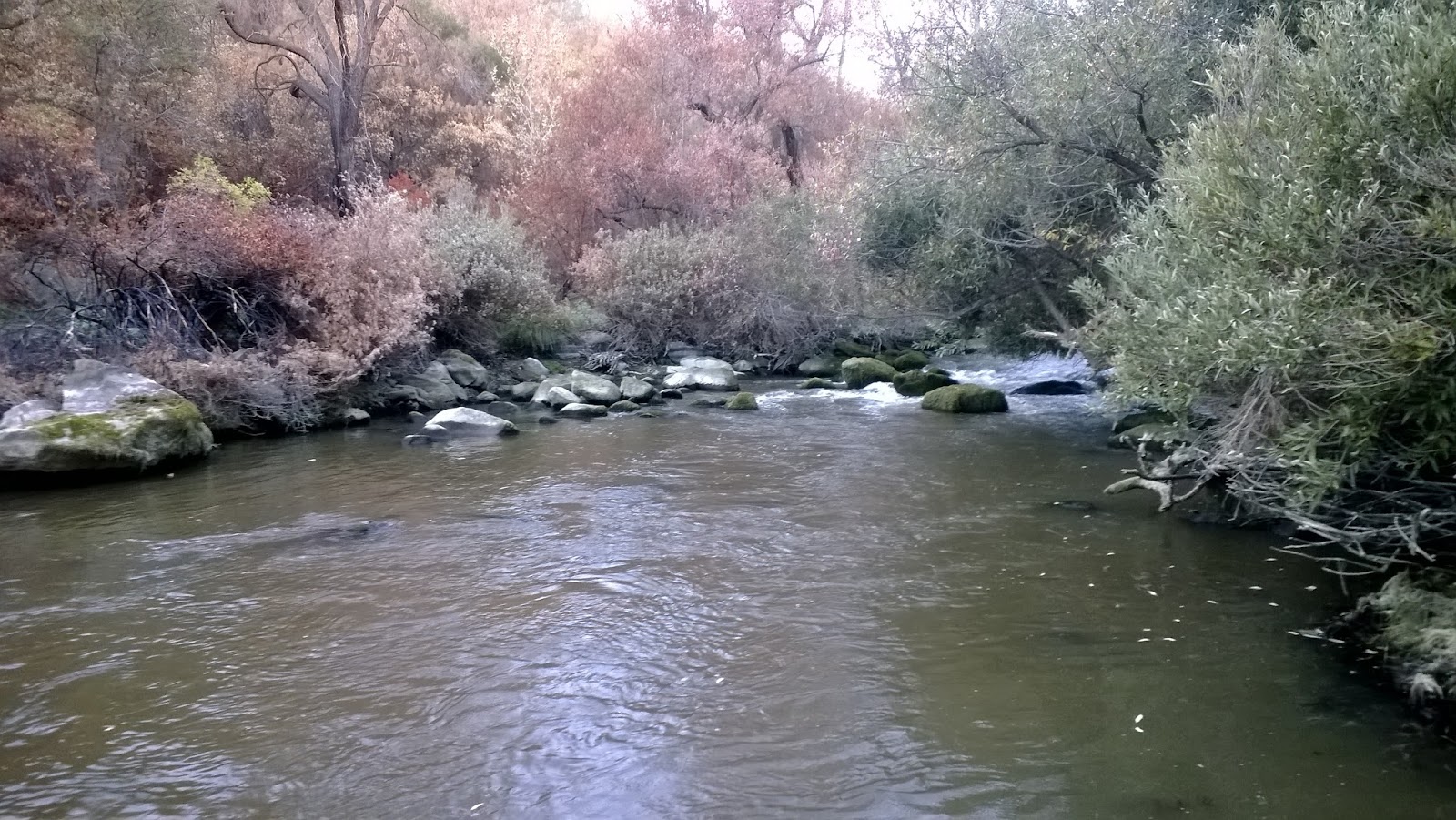
The Middle Fork of the Feather River is one of three forks that feeds into Lake Oroville. It is the only fork that is not dammed and one is of the first rivers to be officially designated nationally as a wild and scenic river. The Middle Fork can be divided into three sections: the upper Middle Fork of the Feather River that runs through the towns of Portola, Clio, and Graeagle, the middle of the Middle Fork from Graeagle downstream to Sloat, and the lower section that runs below the town of Sloat to Lake Oroville. The Middle Fork is home to both warm and cold water fish making it a unique fishery through and through.
The Middle Fork of the Feather River is one of my favorite fisheries because it rewards exploration. From it’s accessible upper half to it’s steep lower canyon, the middle fork is full of riffles, runs, and holes that receive very little pressure throughout the season. The fish run wild on the Middle Fork of the Feather River just as they have for thousands of years making it a fishery full of healthy hard fighting fish.
Open Season
Open from the last Saturday in April – November 15th
*No restrictions. Five fish limit.
November 16th – Preceding last Saturday of April
*Only artificial lures with barbless hooks
*Zero fish limit. Catch-and-release only.
Access Points
Starting upstream of Portola is the upper portion of the Middle Fork of the Feather River. The first landmark is the Union Pacific Railroad bridge and Beckwourth A-23 bridge. You can find parking on the south side of Beckwourth A-23 bridge below the bridge.
You can park below the bridge and hike upstream or downstream.
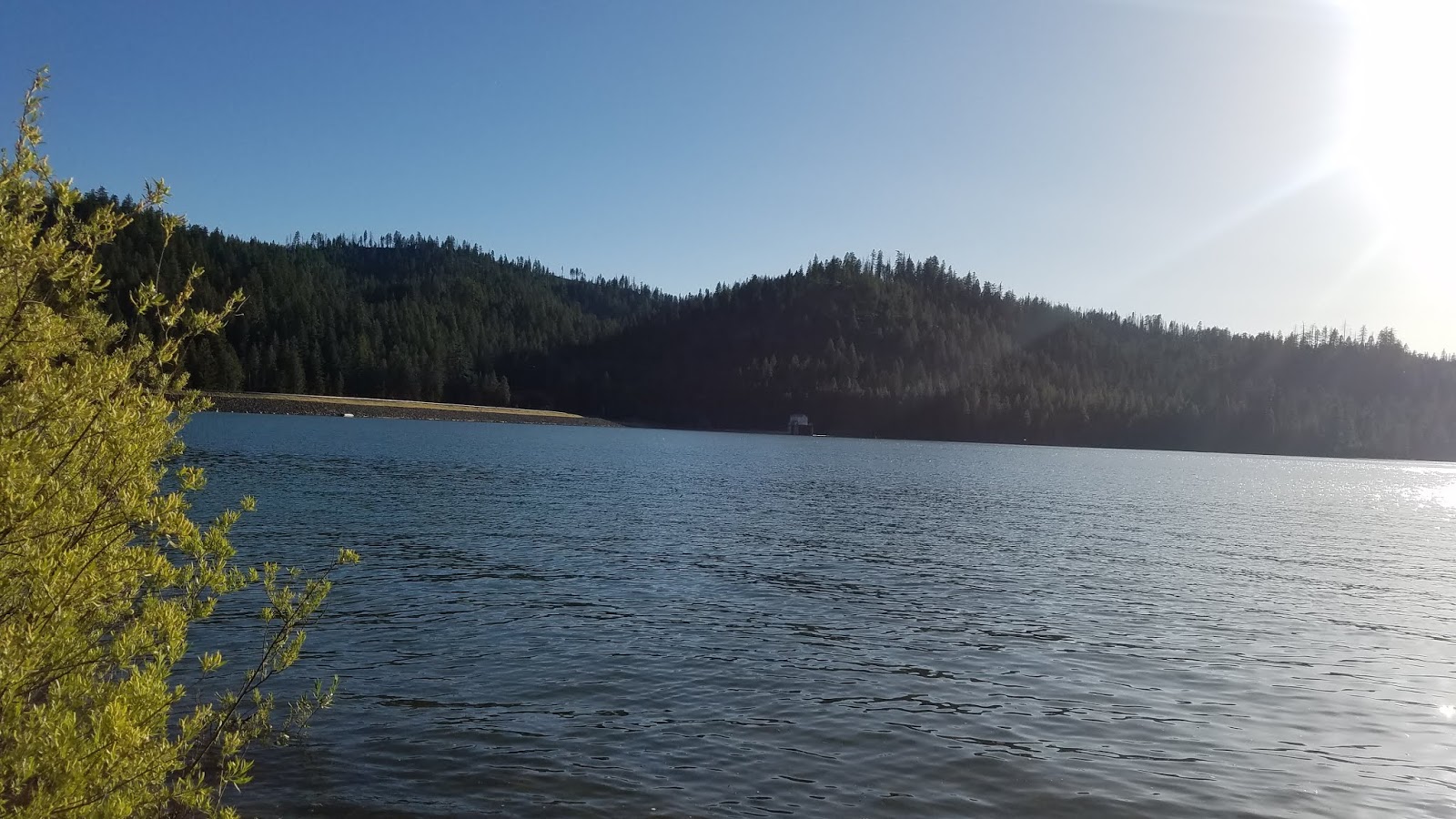
This area has slow stagnant water that often freezes during the winter.
The small town of Clio is where the next access point can be found. This section is where the Middle Fork of the Feather River starts becoming more of a trout stream with riffles, runs, and pools.
The flows can be either too high or too low in this section therefore consult the flow charts before heading out. This section is made up of mostly tall grass, dirt, and rocks.
The last bit of the upper Middle Fork of the Feather River runs through the towns of Blairsden, Graeagle, and Mohawk. Access to the river can be found on various roads off HWY 89.
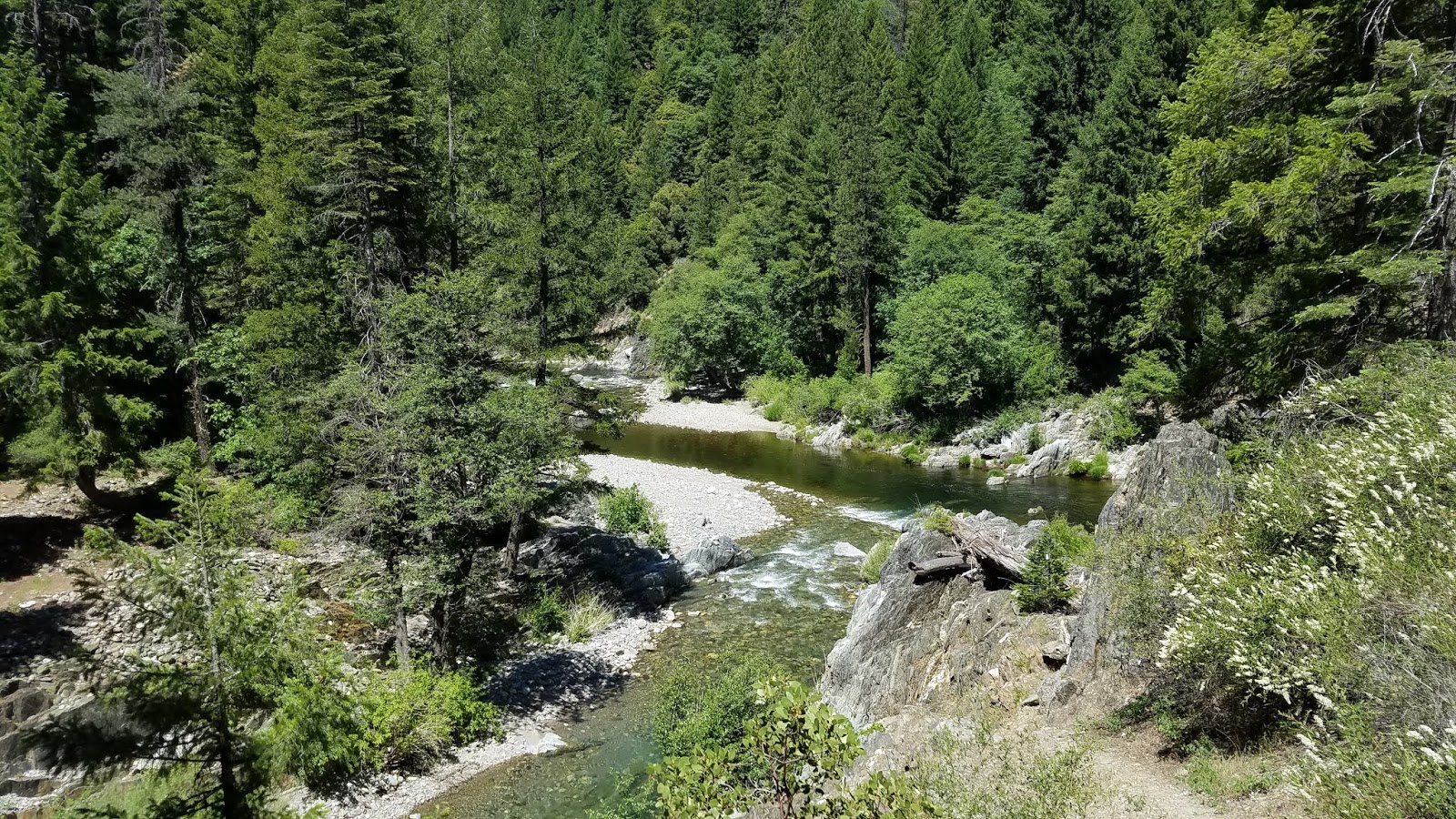
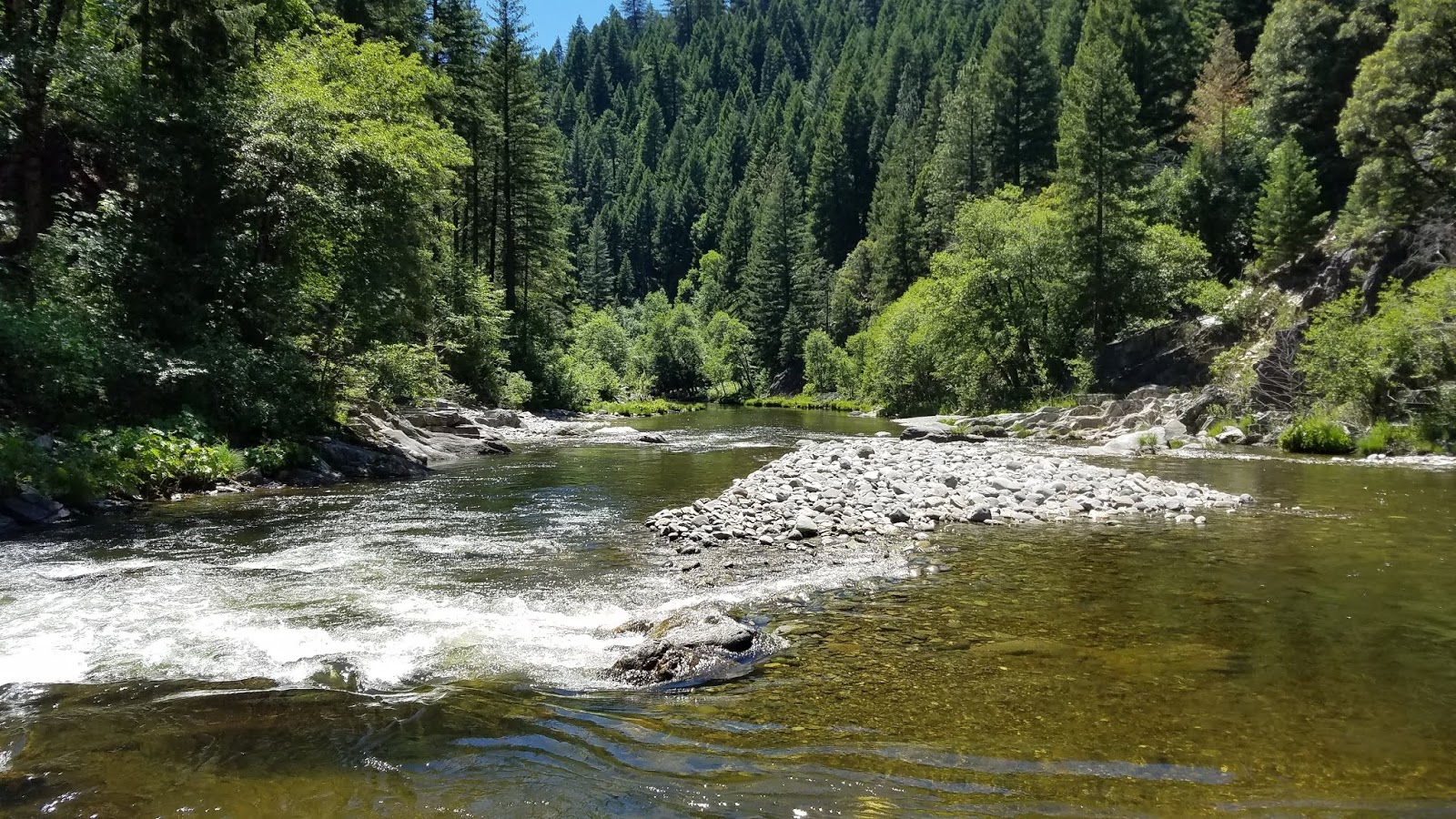
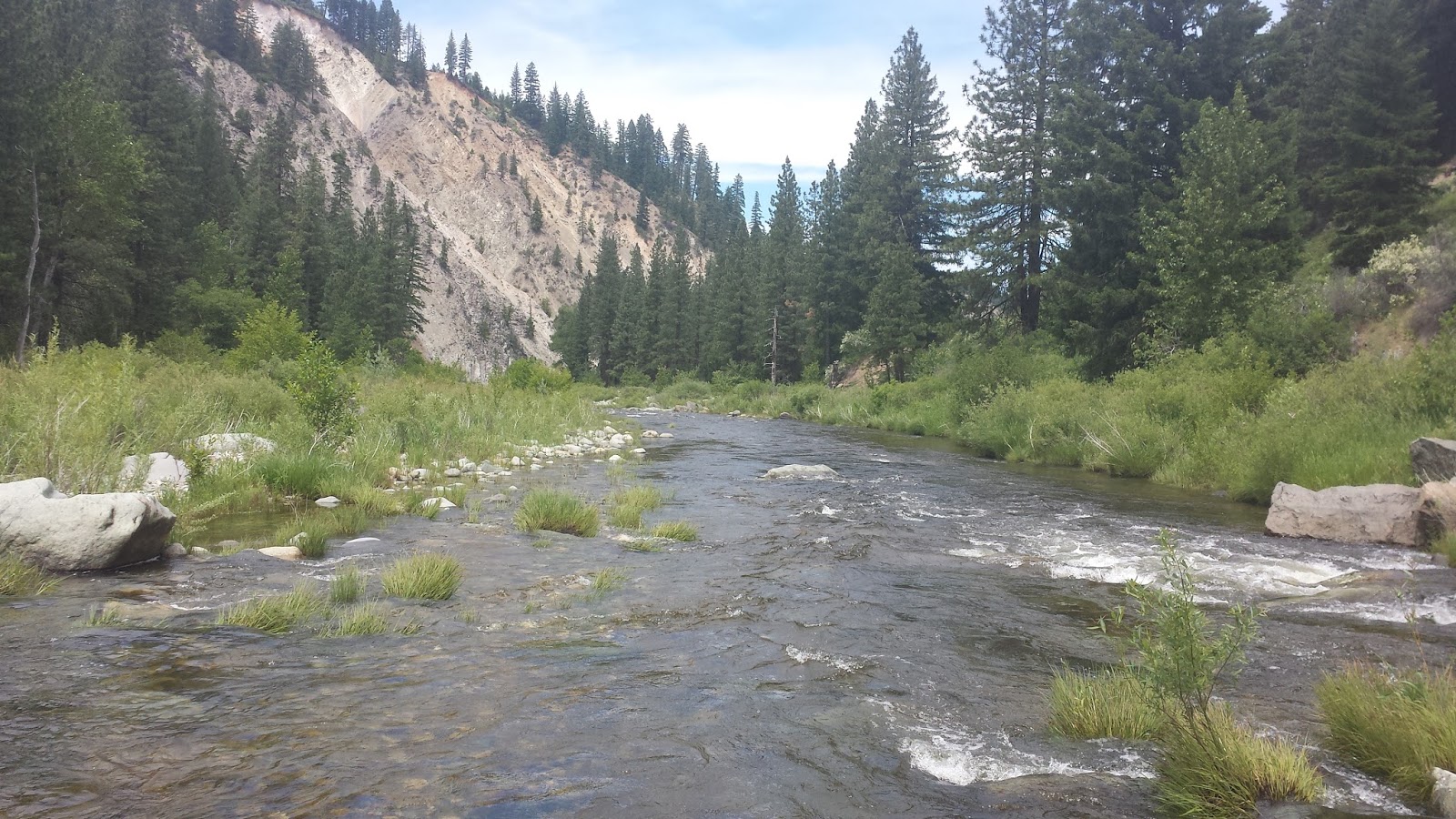
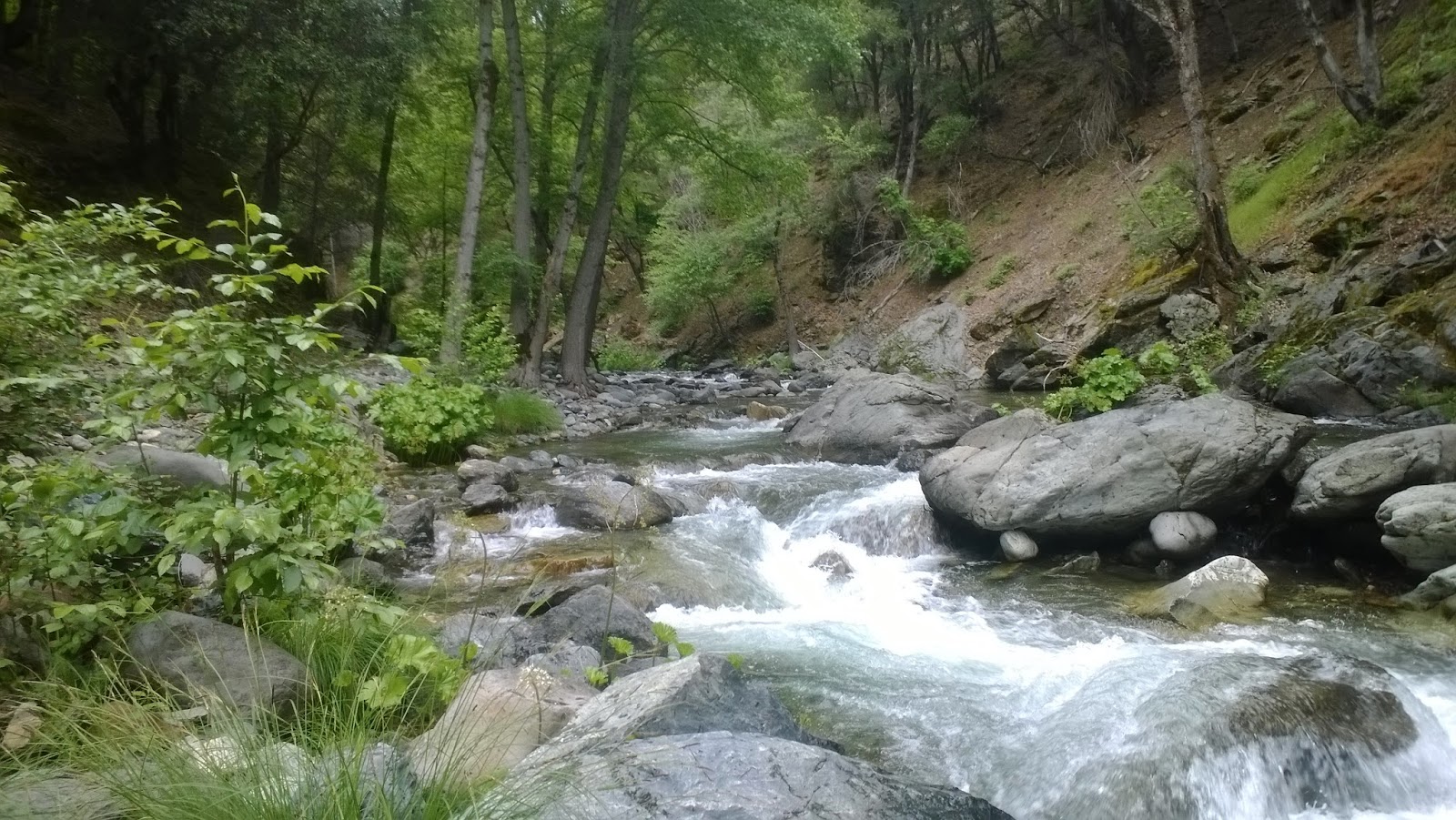
This section is where the Middle Fork will begin to look like a traditional freestone trout stream.
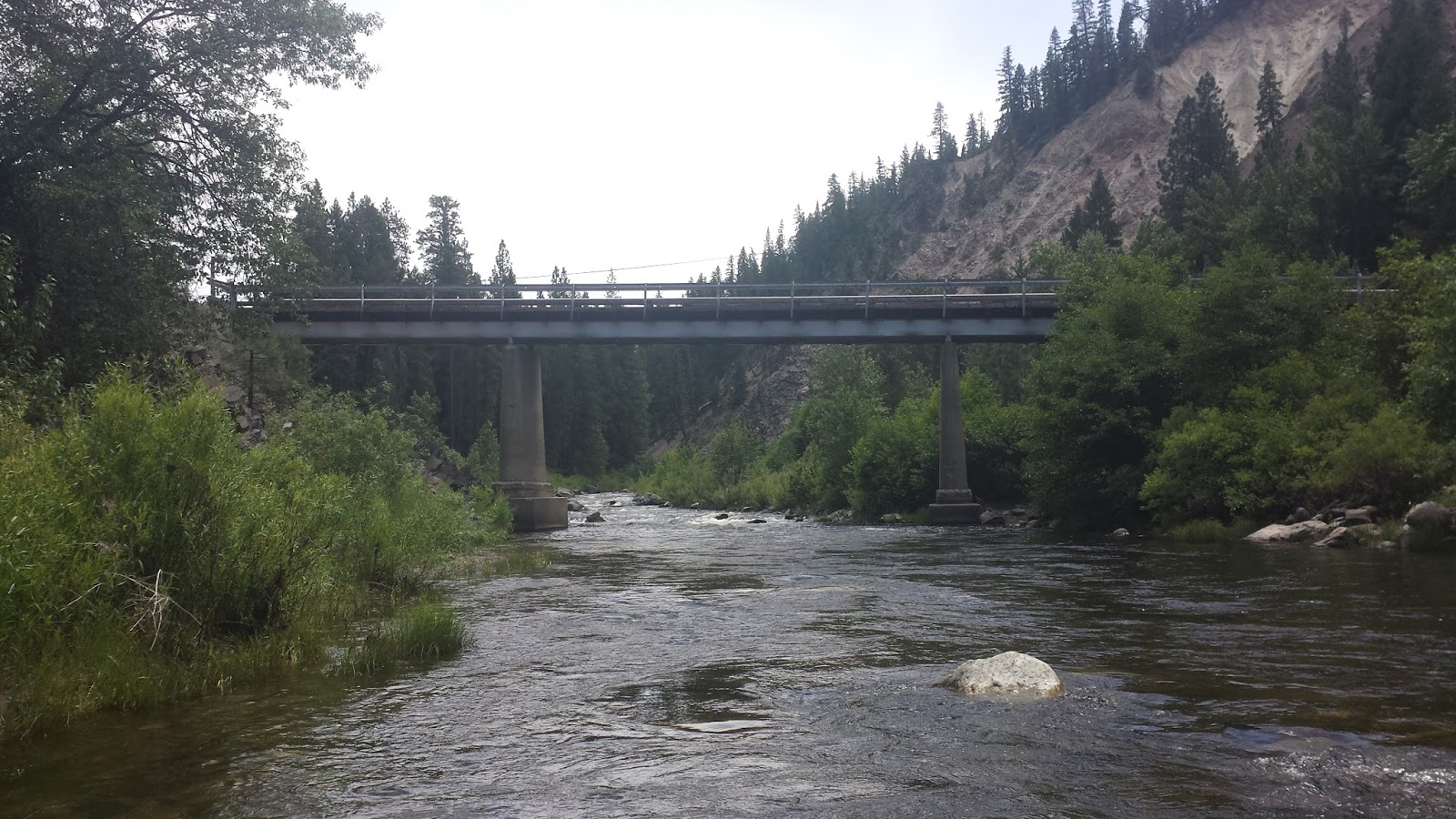
The middle section of the Middle Fork of the Feather River starts as the Mohawk Valley ends and the river becomes enclosed within a canyon. There are two popular well-known access points in this section: Two Rivers and Camp Layman.
This section is usually fishable during the late spring and early summer after the spring run-off. Possible fishing exist during the summer however it depends on the amount of that year’s run-off,.
Twin Rivers is the first access point. You can find parking in a small area just before the bridge.
Although fishing pressure is more often light than heavy, this is one of the most fished sections of the Middle Fork of the Feather River.
The next access, Camp Layman, can be found just a few minutes away. You can find parking just before crossing the bridge.
This is the last access point to the middle section of the Middle Fork of the Feather River.
Access to the lower canyon section of the Middle Fork of the Feather River begins at La Porte Rd bridge.
There are campgrounds on both sides of the bridge with the northern campground having the best access to the river. Depending on the flow and time of the year this section can be a good spot for a quick Middle Fork of the Feather River fly fishing fix.
You can find a turn-off about few hundred feet south of the bridge to China Beach.
This road requires a 4WD vehicle.
A few hundred feet below the China Beach access is the access road to Nelson Creek.
A 4WD vehicle isn’t required but is a good option. This road is easily missed if you are driving southbound on La Porte Road. With the road being steep and the access being difficult to see I will often drive past in on purpose and loop back around. There is a mild hike to get down to the river so be prepared to do some hiking.
There are more access points lower in the canyon that I am aware of such as the Pacific Crest trail and Fingerboard trail however I have yet to trek these paths.
Seasons
Spring
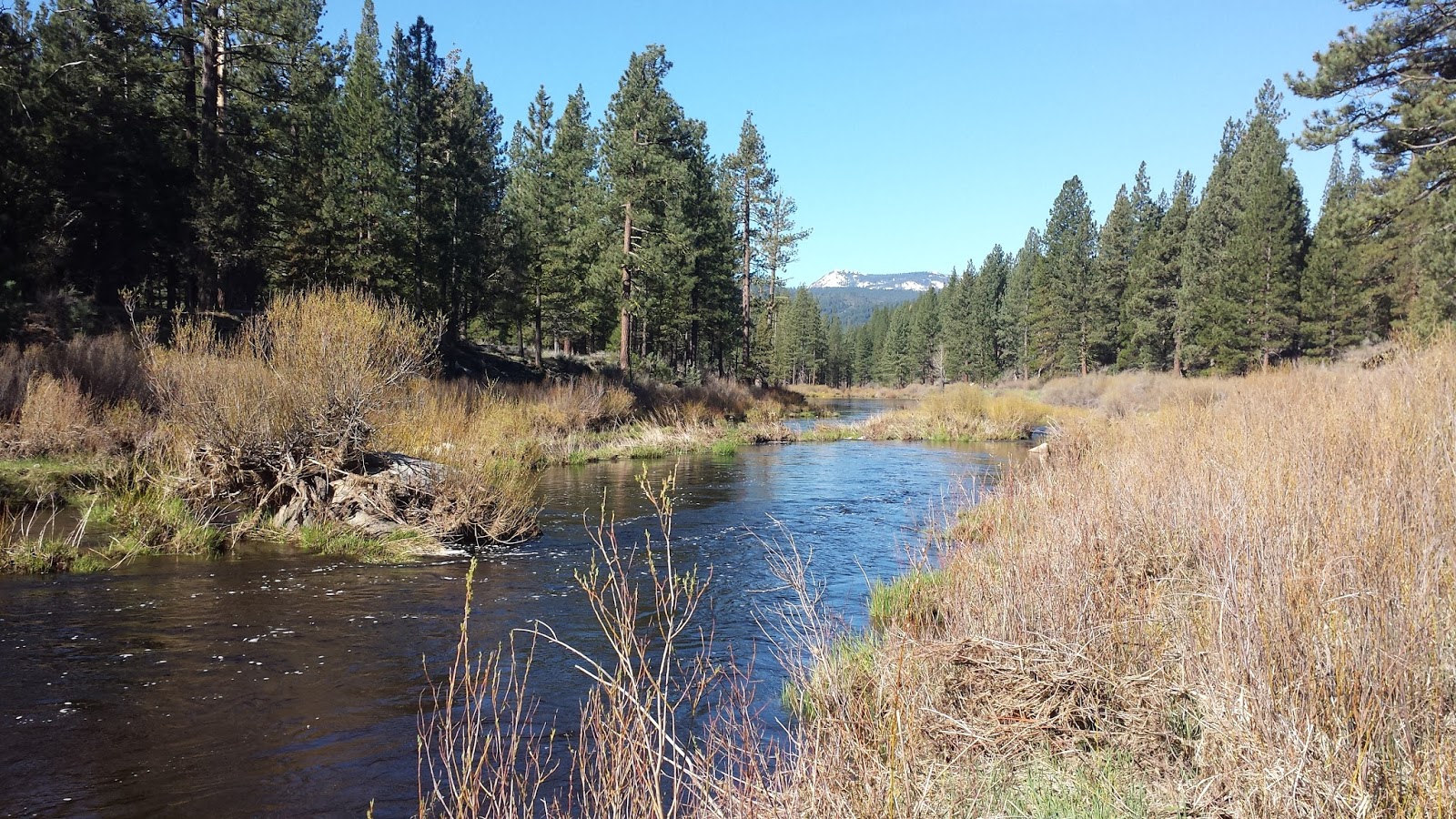
The upper section Middle Fork of the Feather River opens the first Saturday of April. Depending on the weather of the previous four months the river may or may not be fishable on the opener.
The water temperatures are typically very cold during the opener therefore the fishing can also be a hit or miss.
Try dredging the bottom with heavy flies or use streamer tactics on a sink-tip line to entice bites
Fish the nooks and crannies but also try the slower and deeper runs and pools.
As the water begins to warm you can start finding trout holding where they should be.
Hatches of an assortment of insects will begin as the weather warms in May and June. The fish aren’t too picky so any general pattern will work however don’t ignore the different types of insects they may be keying on such as mayflies, caddis, midges, stoneflies, etc.
The entire river usually fishes well between late April – late June |
|
Summer
The Middle Fork typically fishes well in the early summer from June to early July depending on the weather.
From July to September the water temperature throughout the river becomes too warm for trout making them difficult to find and unsafe to catch and release.
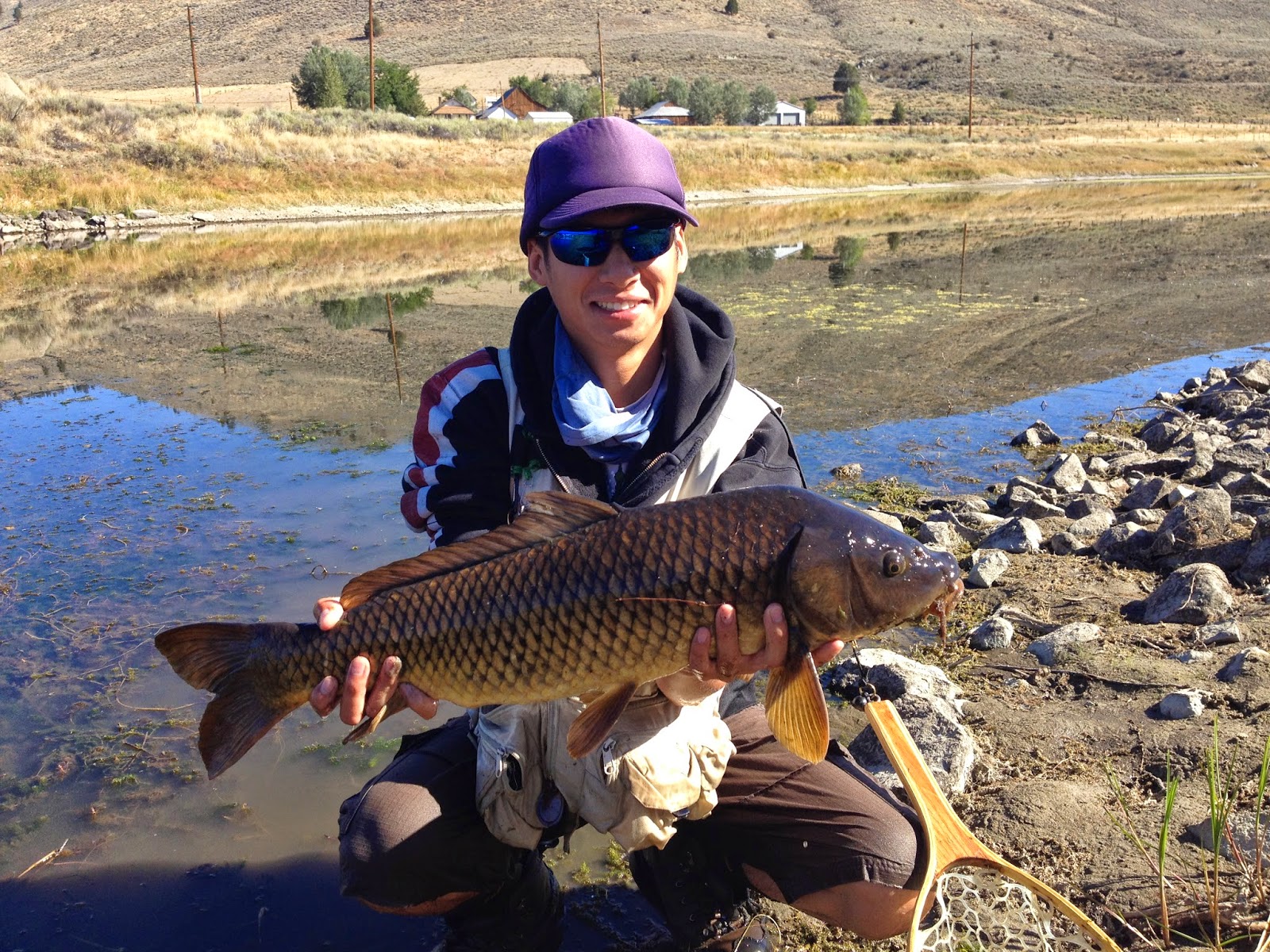
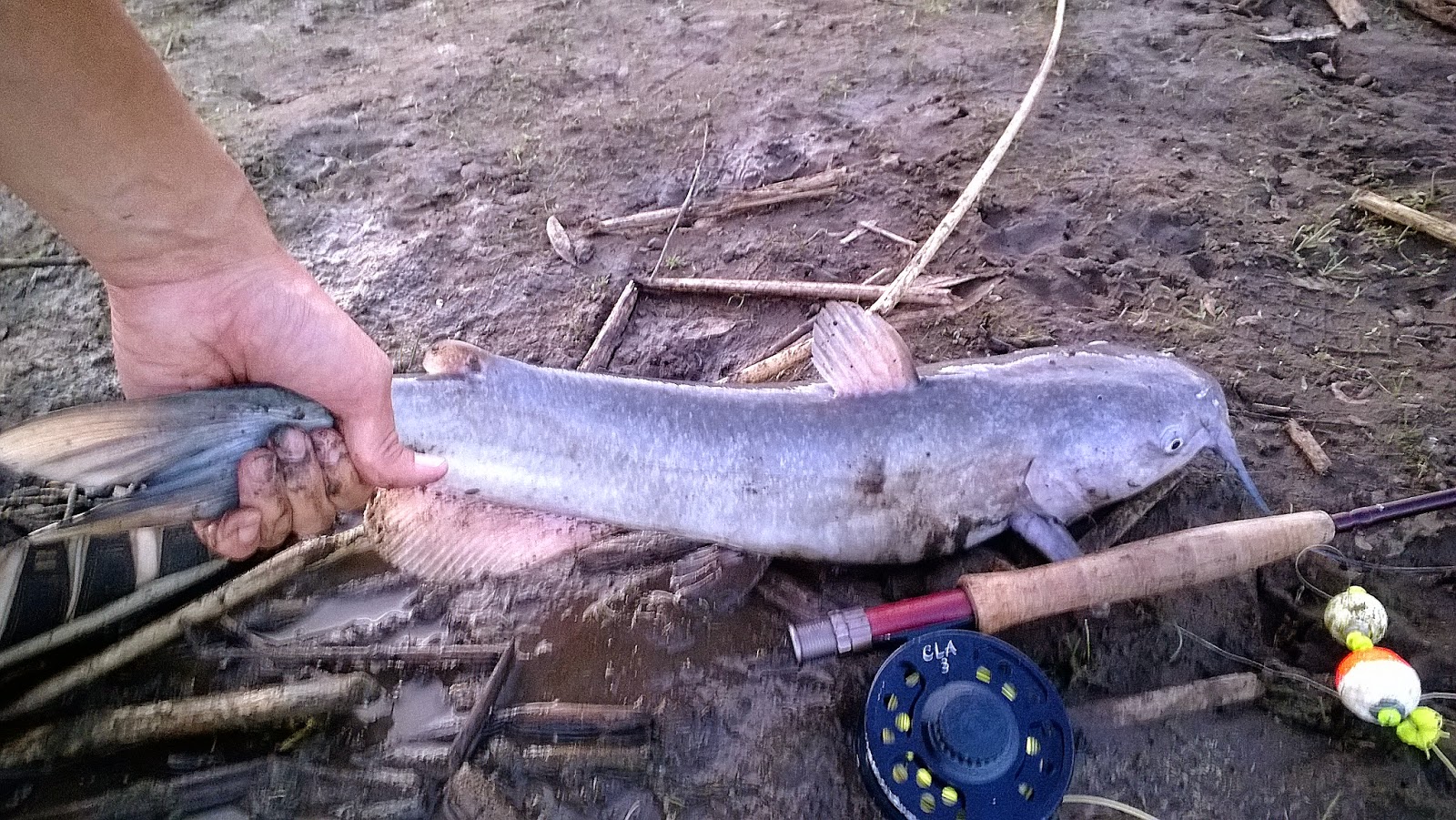
Shifting focus on the upper section of the Middle Fork during the summer is a good option for those who want to sight fish for carp or catch other warm-water species.
Finding cooler water is the key for targeting trout during the summer. A good strategy is either fishing the main tributaries or below them. |
|
Fall
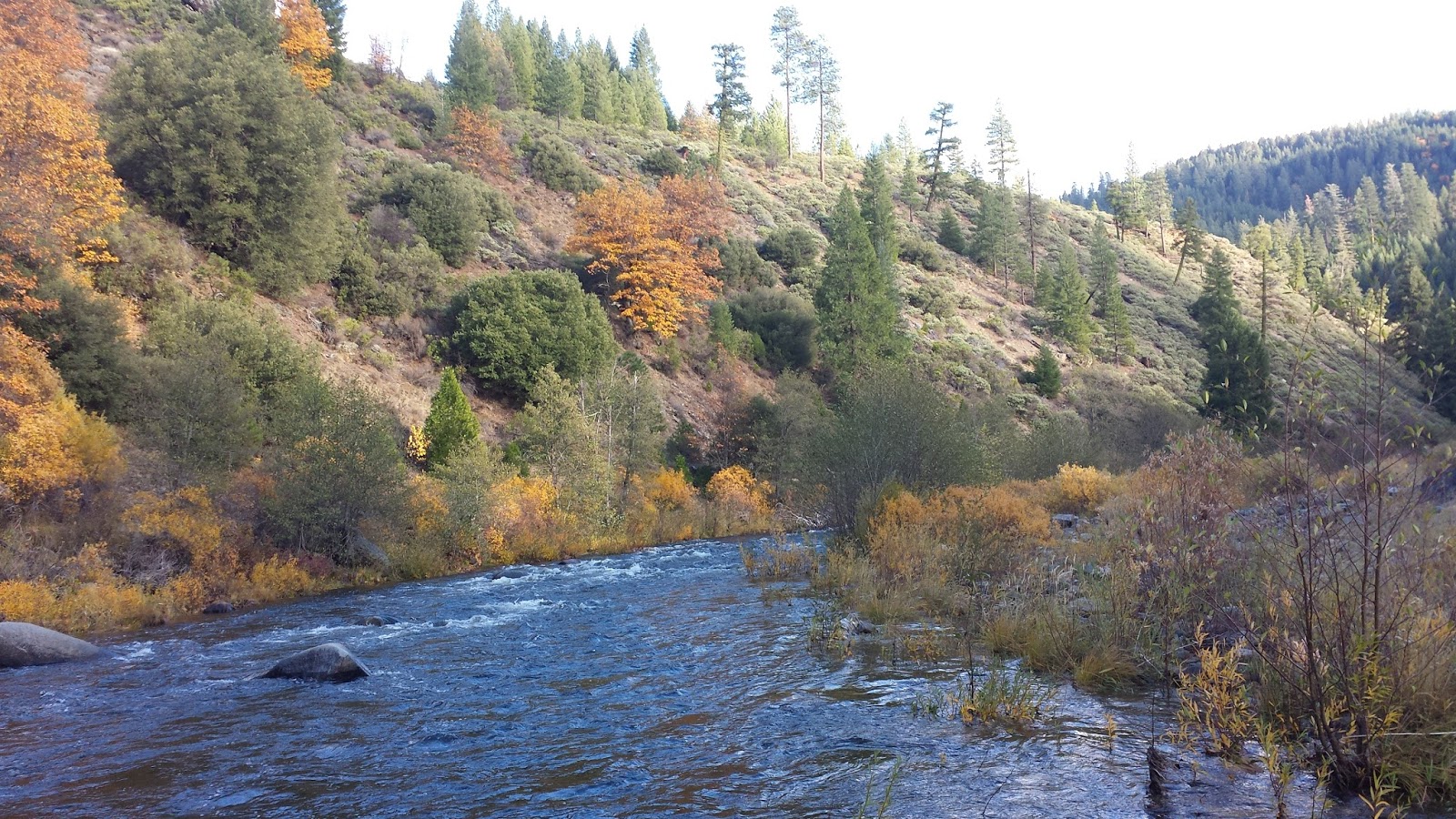
The Middle Fork will begin fishing well again when the temperature drops in late September. The surrounding trees and flora will begin to change colors making fall the most beautiful season to visit the Middle Fork.
Lower flows during the fall make it easy to get around the river.
The majority of the hatches during the fall will be caddis. Both the North Fork and Middle Fork experience epic caddis hatches during mild autumn evenings.
All techniques will work during the fall as the fish fatten up for the long winter ahead of them. |
|
Fish Species
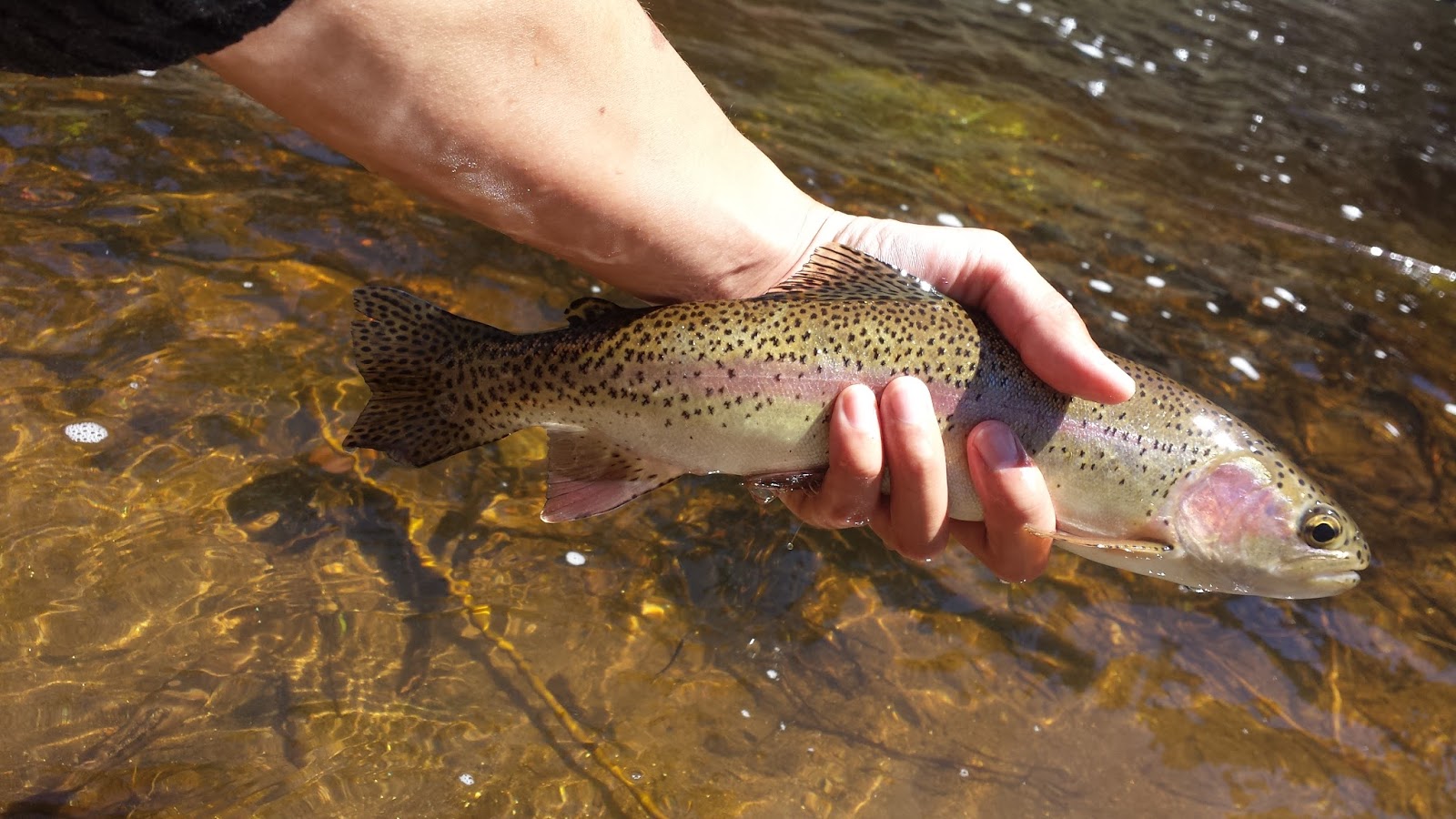
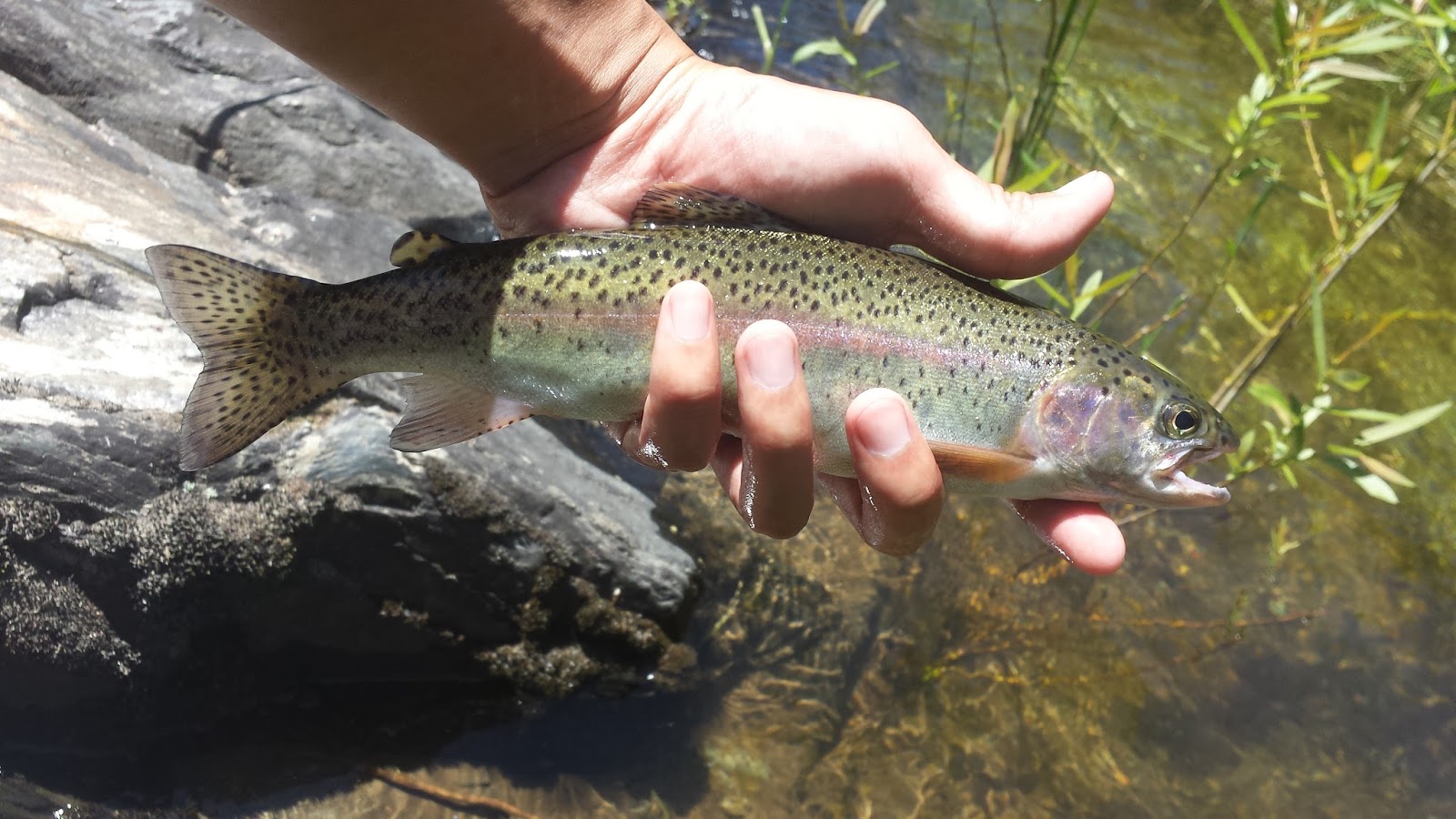
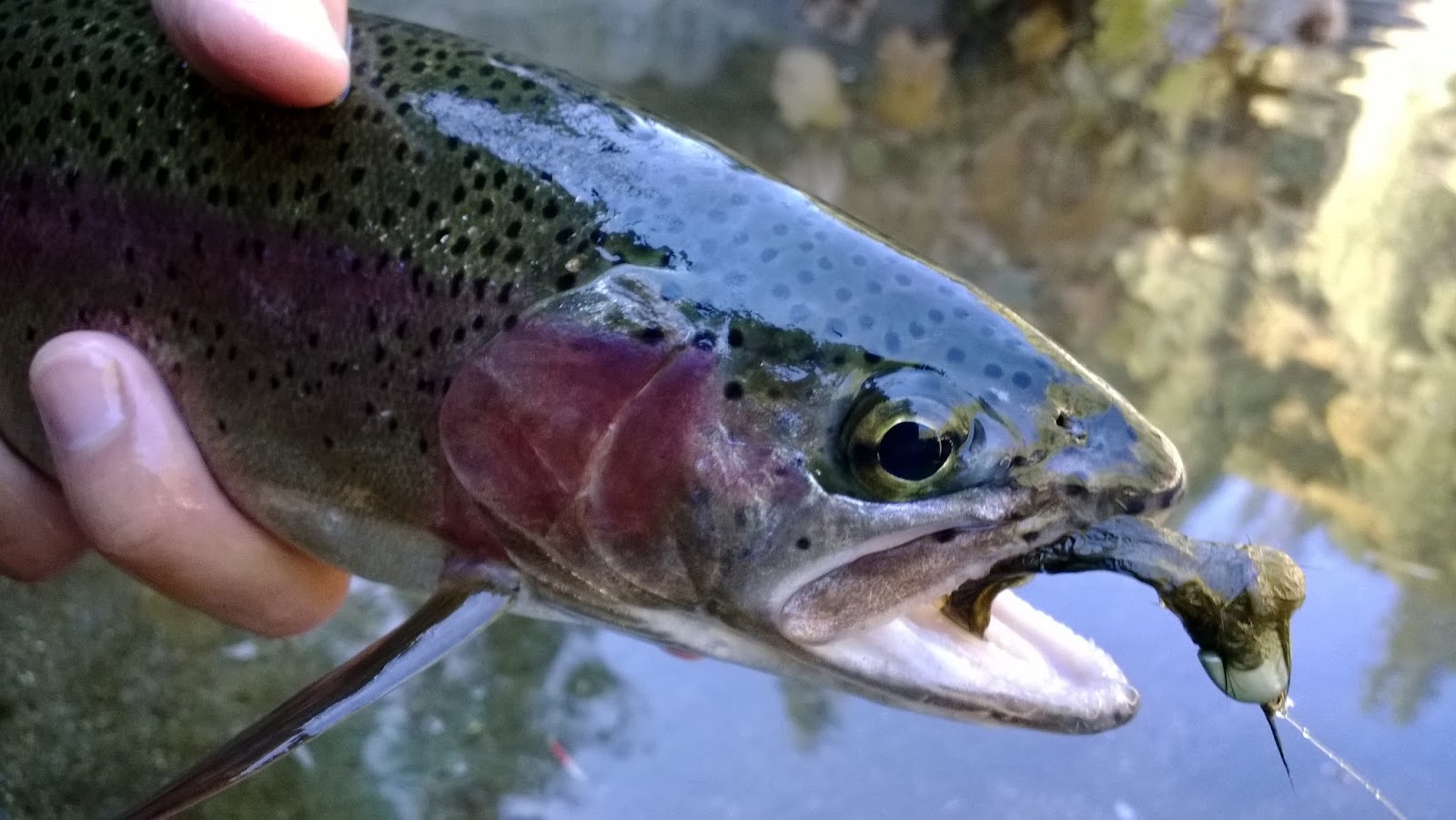
Rainbow Trout
Brown Trout
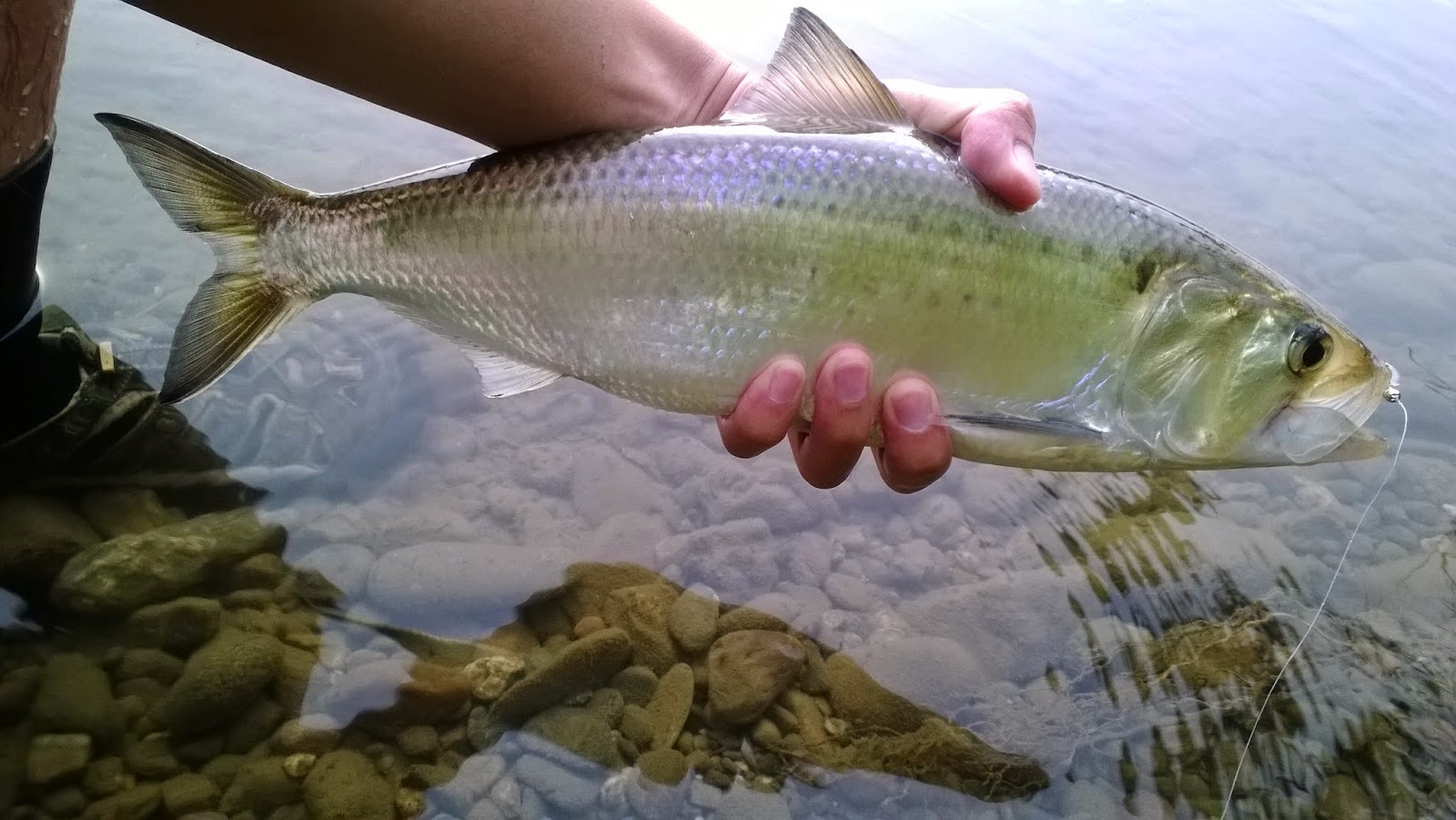
Smallmouth Bass
Common Carp
Sunfish
Gear
4WT or 5WT
Floating line
Rio versileaders
9′ 3x – 5x leaders
Fly Patterns
- Nymphs
- Pheasant tail
- S&M nymph
- Copper john
- Prince nymph
- Zebra midge
- Rubber leg stone
- Hare’s ear
- Lance’s X-May
- Wet flies
- Dry flies
- Adams
- EH caddis
- EC caddis
- X caddis
- Sparkle dun
- Stonefly dries
- Hopper patterns
- Streamers
- Carp patterns
- Backstabber
- Bread flies
- Crayfish patterns
Technique
Upper section of Middle Fork
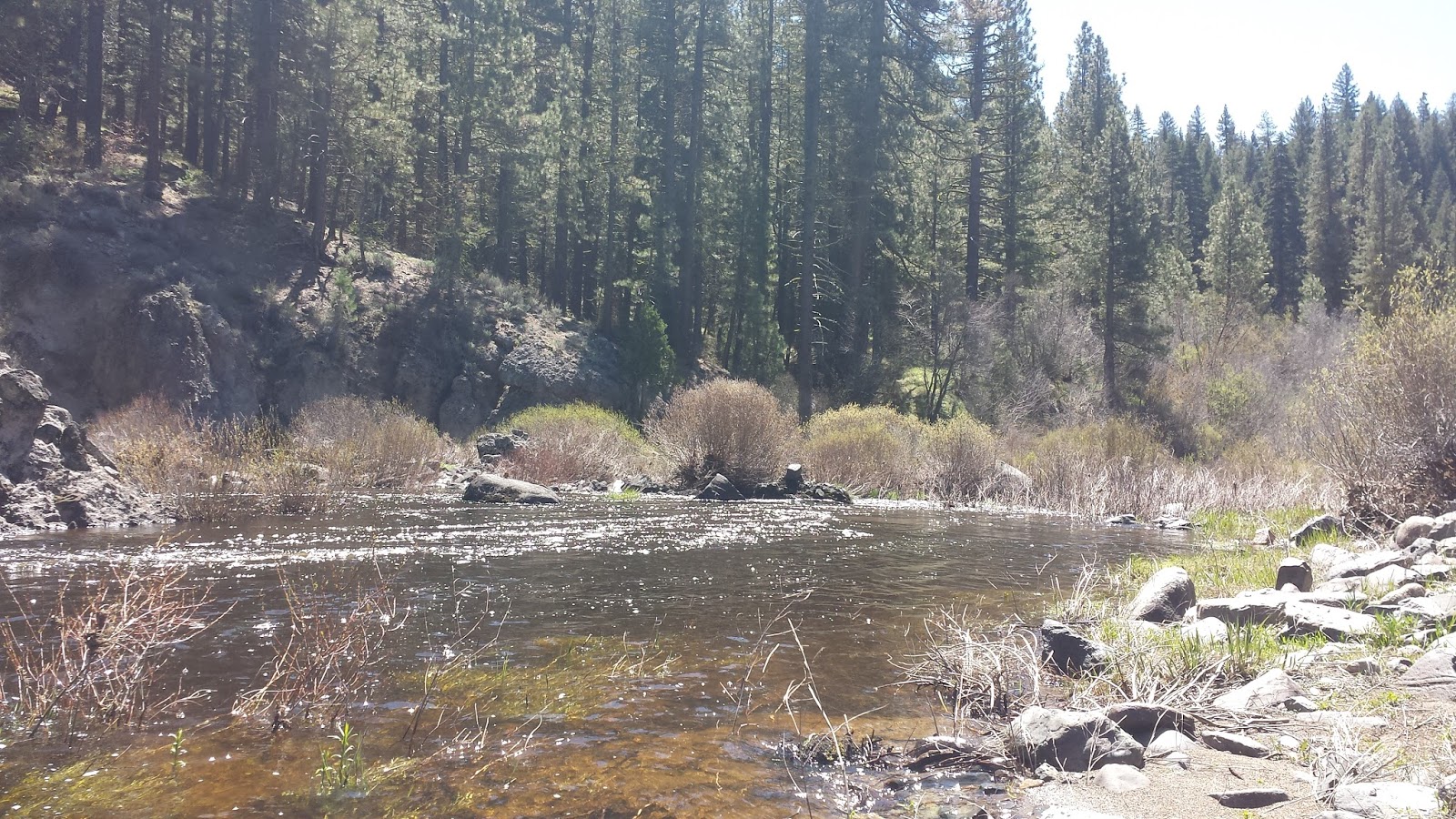
The upper Middle Fork of the Feather River is a unique section within California because it is the only trout stream that opens on the first Saturday of April rather than the last Saturday.
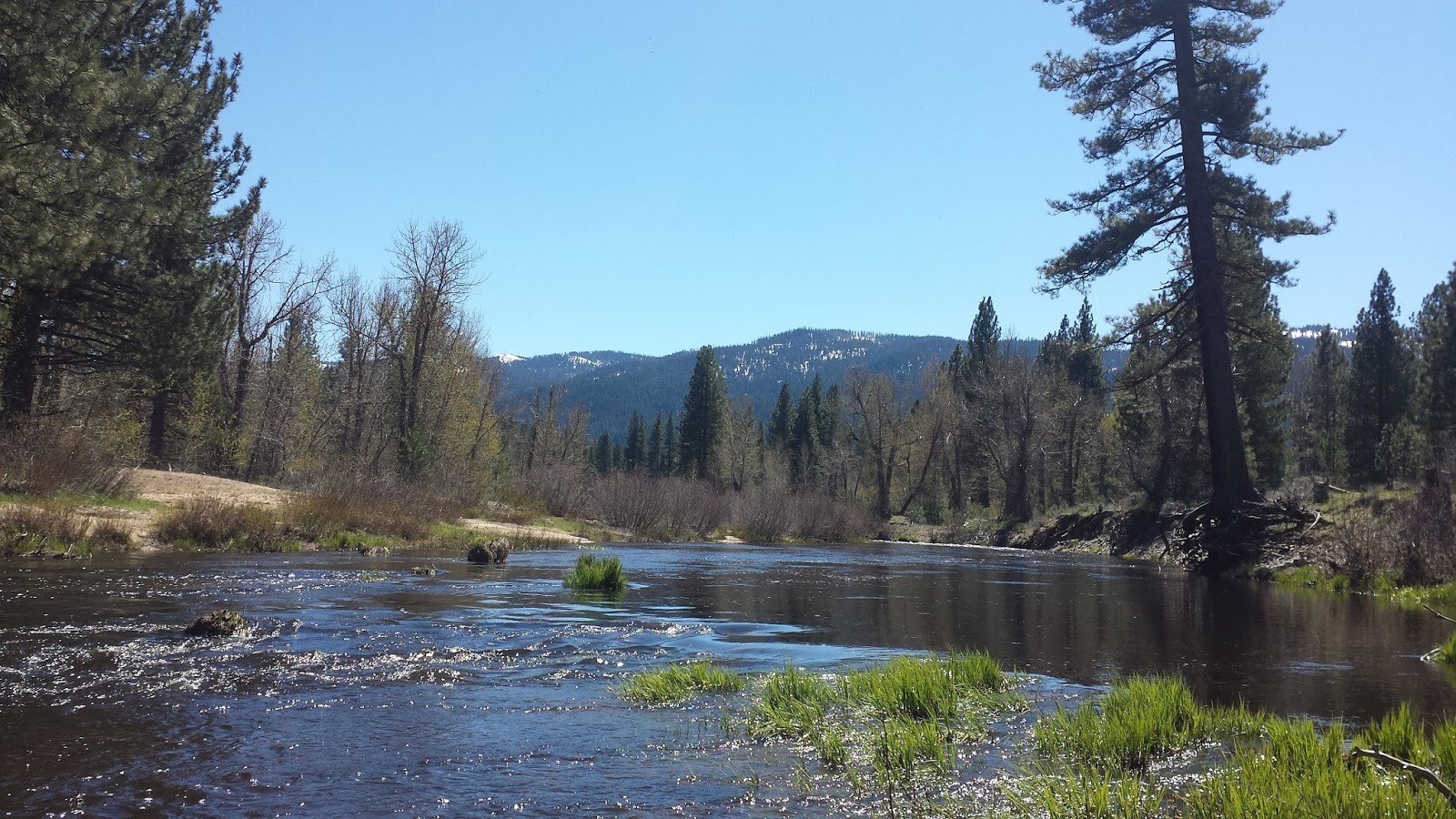
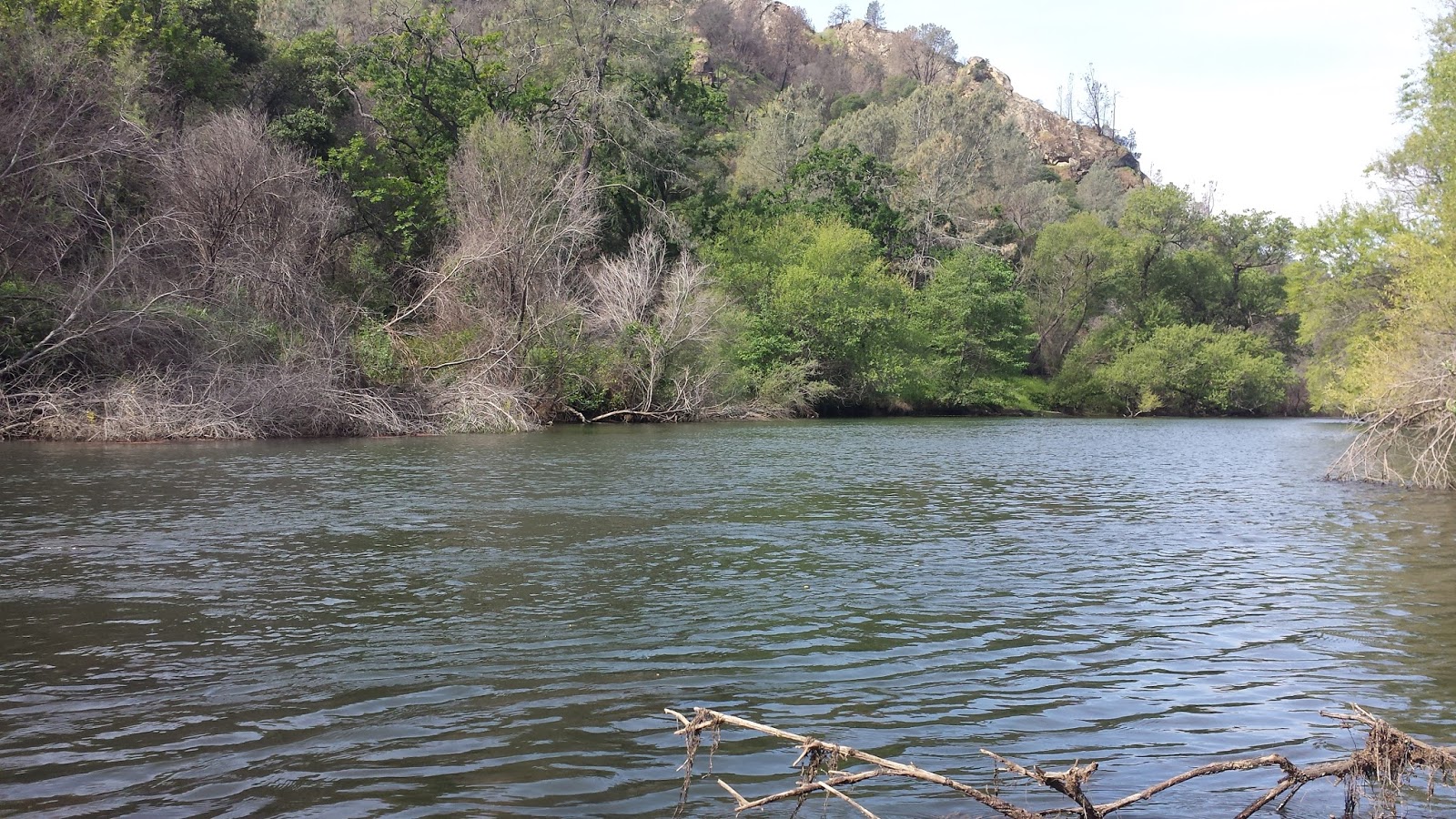
The upper most section within the town of Portola is more of a stillwater fishery than a stream. This area is made mostly of tall grass and mud. In the winter the river around A-23 bridge will become an ice skating rink and in the summer the water in the shallower areas will dry out. In the spring the river will rise from the run-off and make this section a beautiful place to kayak and bird watch. The tall vegetation growth however makes bank access difficult.
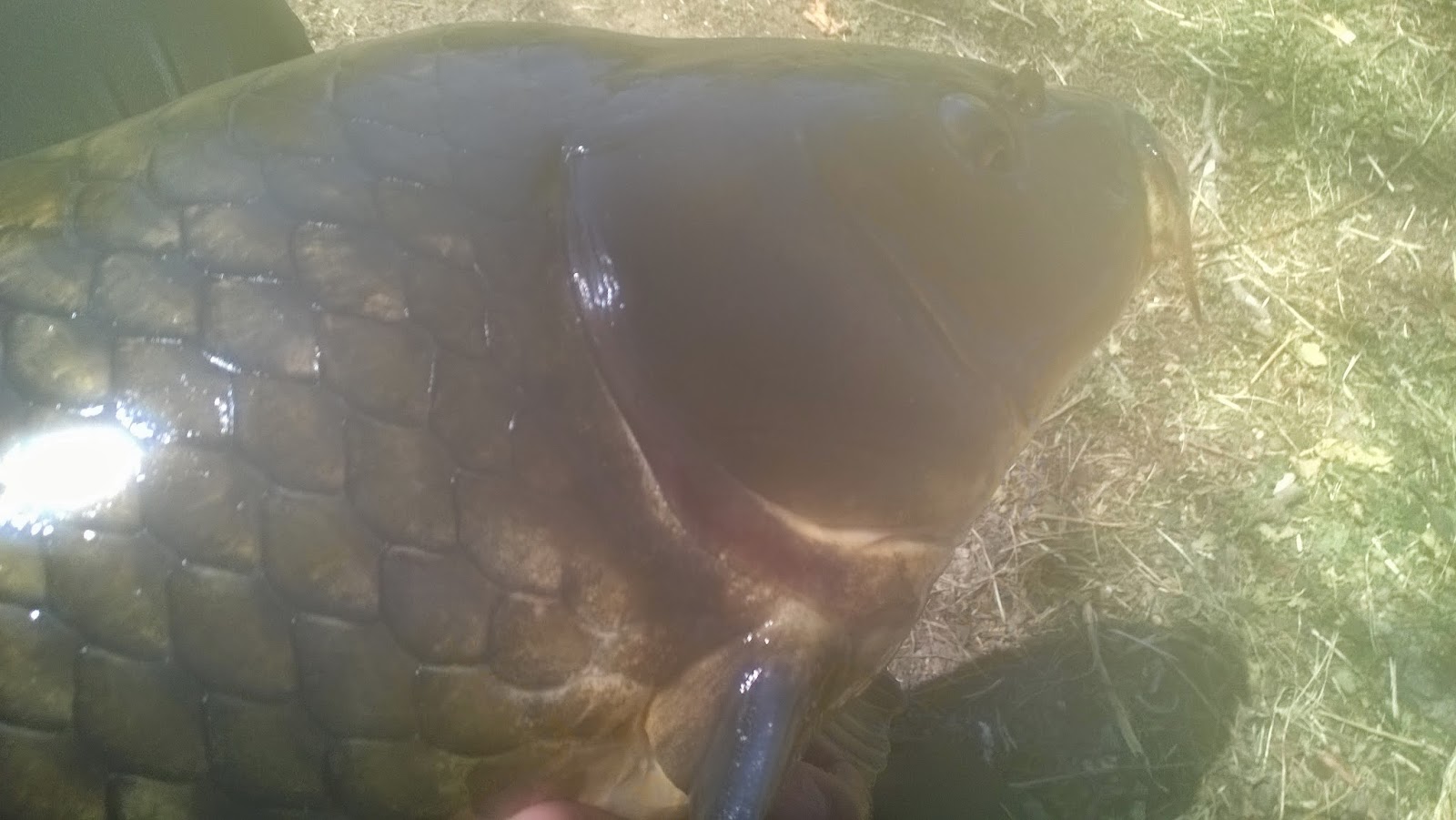
The upper Middle Fork of the Feather River is a more suitable habitat for hardy fish therefore species such as carp, sunfish, and bass are more commonly found in this section The carp in the upper section of the middle fork respond well to flies and are very fun to catch. Sight fishing is the best way to target these fish. Always be sure to lead your flies and be sneaky in efforts to not spook these powerful gentle giants.
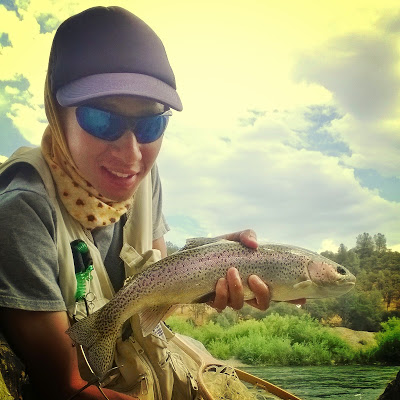
Further downstream between Clio and Mohawk the Middle Fork of the Feather River flows through the Mohawk Valley. This is where anglers can begin finding rainbow and brown trout. The fish on the Middle Fork of the Feather River aren’t too picky however it can be a bit challenging finding them early in the season. Fish the nooks and crannies of riffles, runs, and pools. During the early season try fishing the slower water that is exposed to the sun as fish will congregate to these areas for warmth.
The Middle Fork of the Feather River around Clio tends to have a brown tea clarity however don’t let that fool you into thinking that there aren’t any fish in the area. The water begins to clear around the Fraizer Creek area and the Middle Fork begins to look more like a traditional trout stream.
There are several tributaries that feed this section of the Middle Fork of the Feather River. The major tributaries in this section are Fraizer Creek, Sulphur Creek, and Gray Eagle Creek. If the flows permit, you can find great small stream fly fishing opportunities on these tributaries during the late spring and summer.
Middle section of the Middle Fork
The middle section of the Middle Fork of the Feather River begins where the Mohawk Valley ends. The road begins to shift away from the river as it becomes enclosed within a canyon. There isn’t a lot of access here however with some hiking you can find excellent places to fish. The section between Two Rivers and Camp Layman has great fishing depending on the flows.
Most of this area can be easily fished through nymphing techniques. You can find fish rising for insects during various times of the day in the spring making it a good place to try and rise a few trout. Wading and getting around in this area is fairly easy depending on the flows. Jamison Creek is a tributary in this section that is also a good choice for small-stream dry fly fishing.
Lower section of the Middle Fork
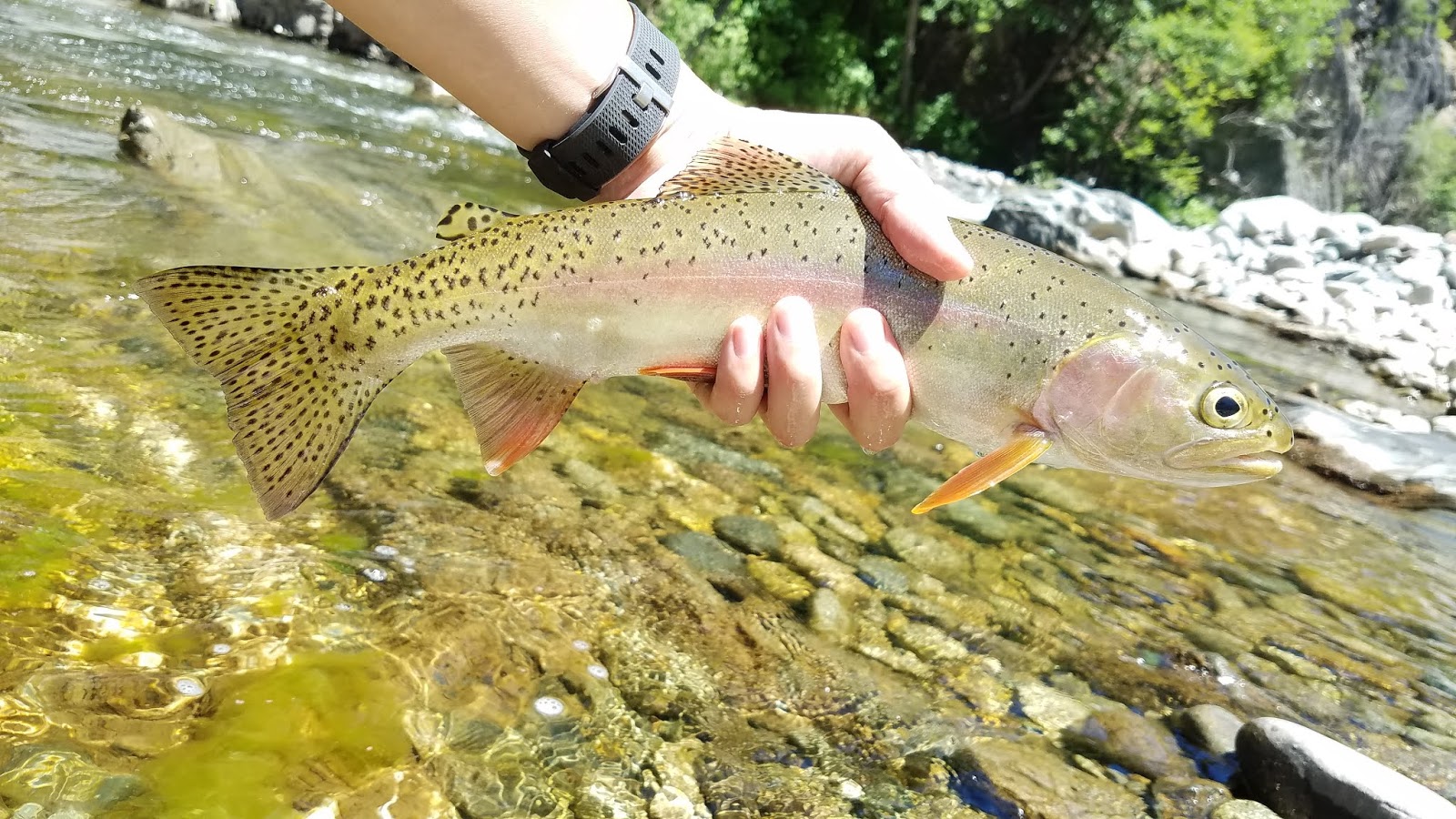
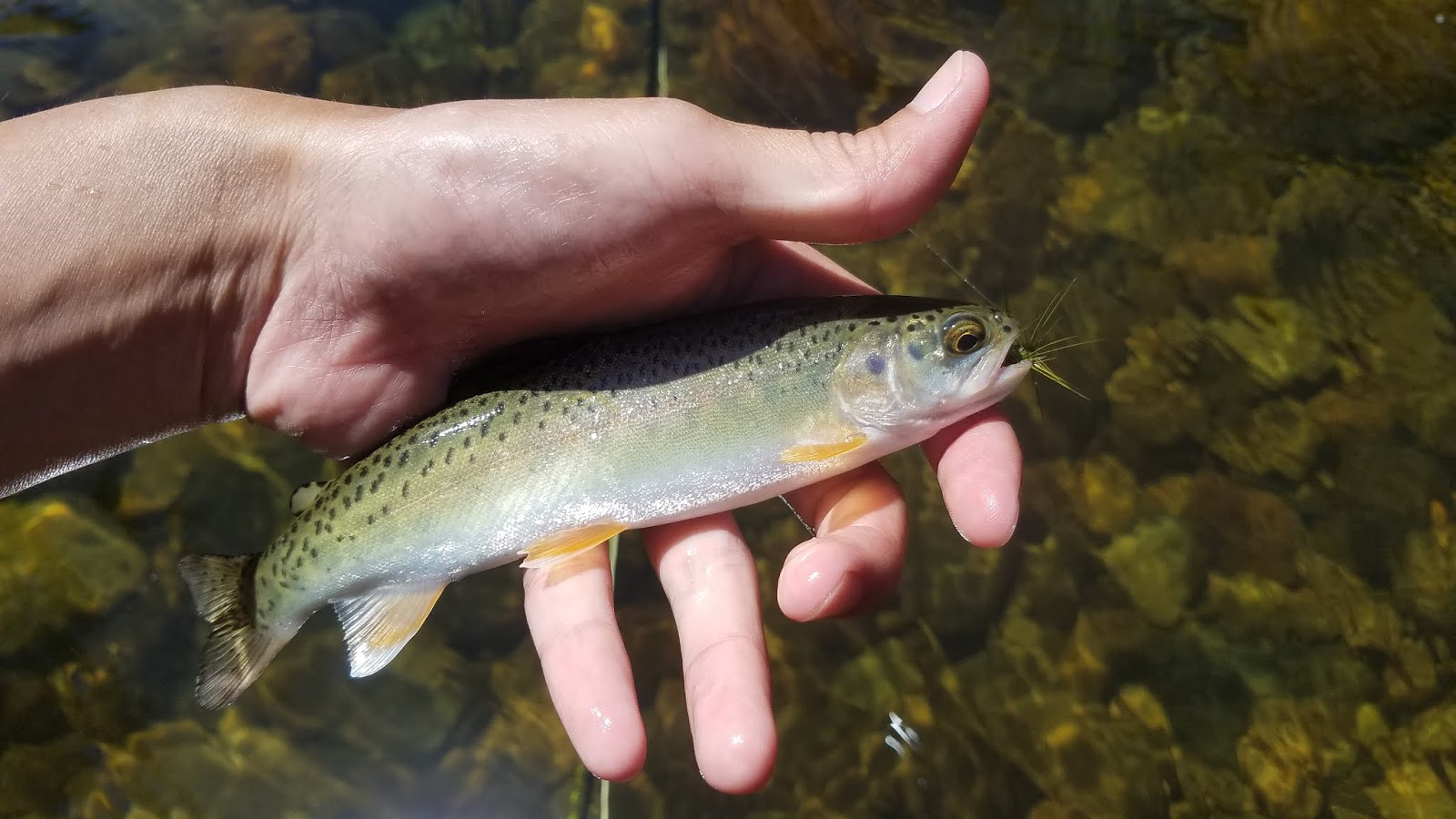
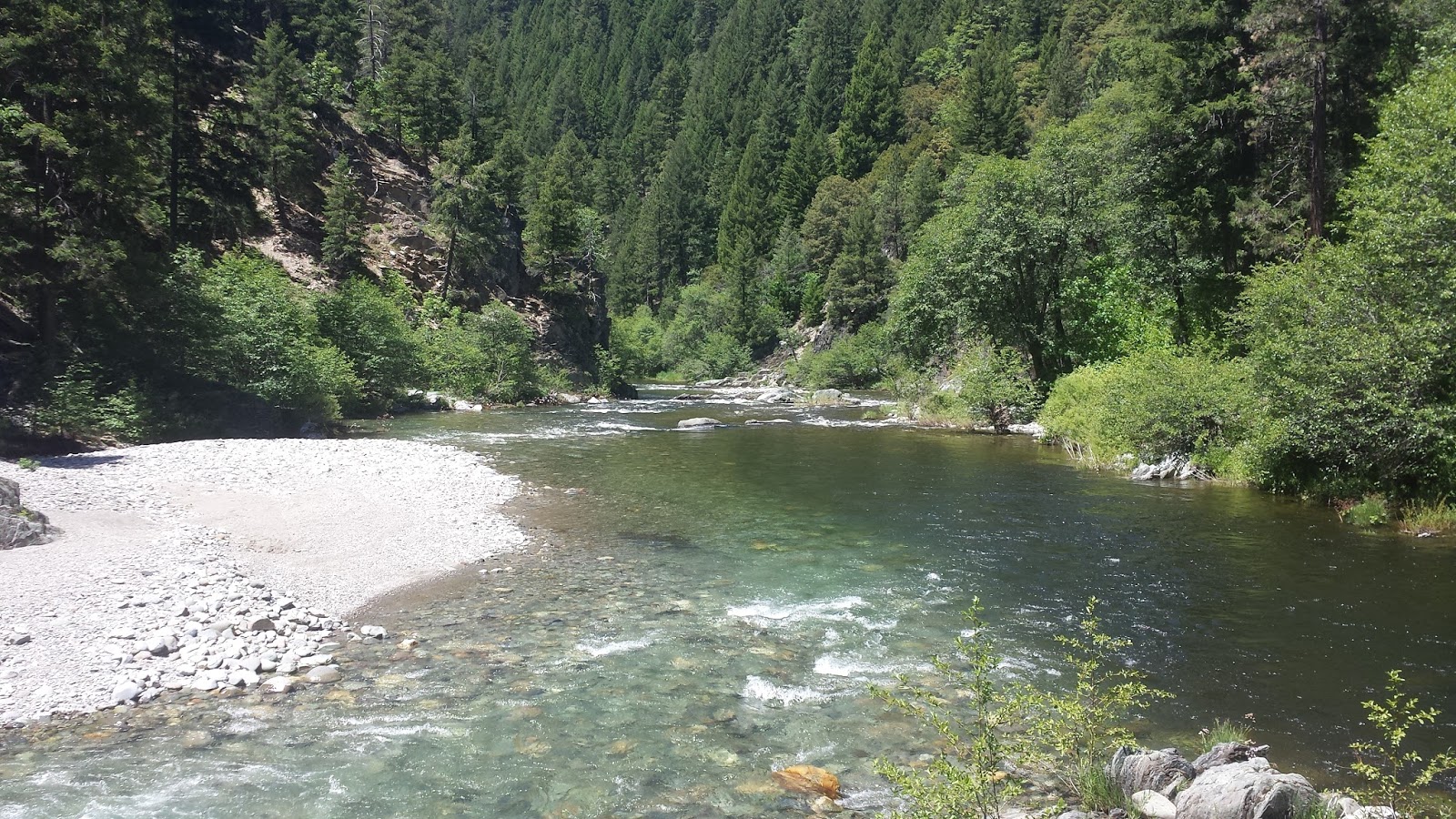
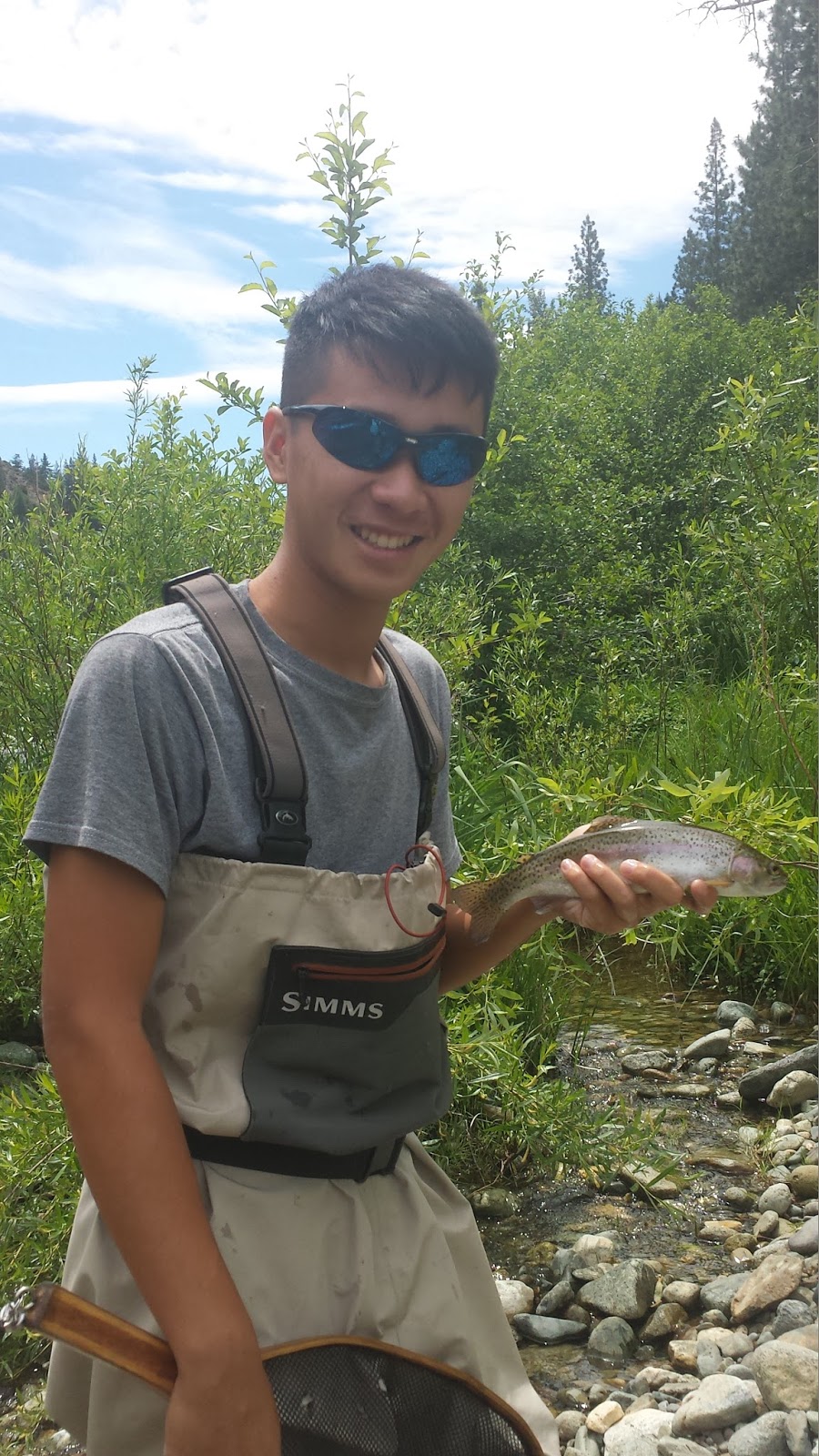
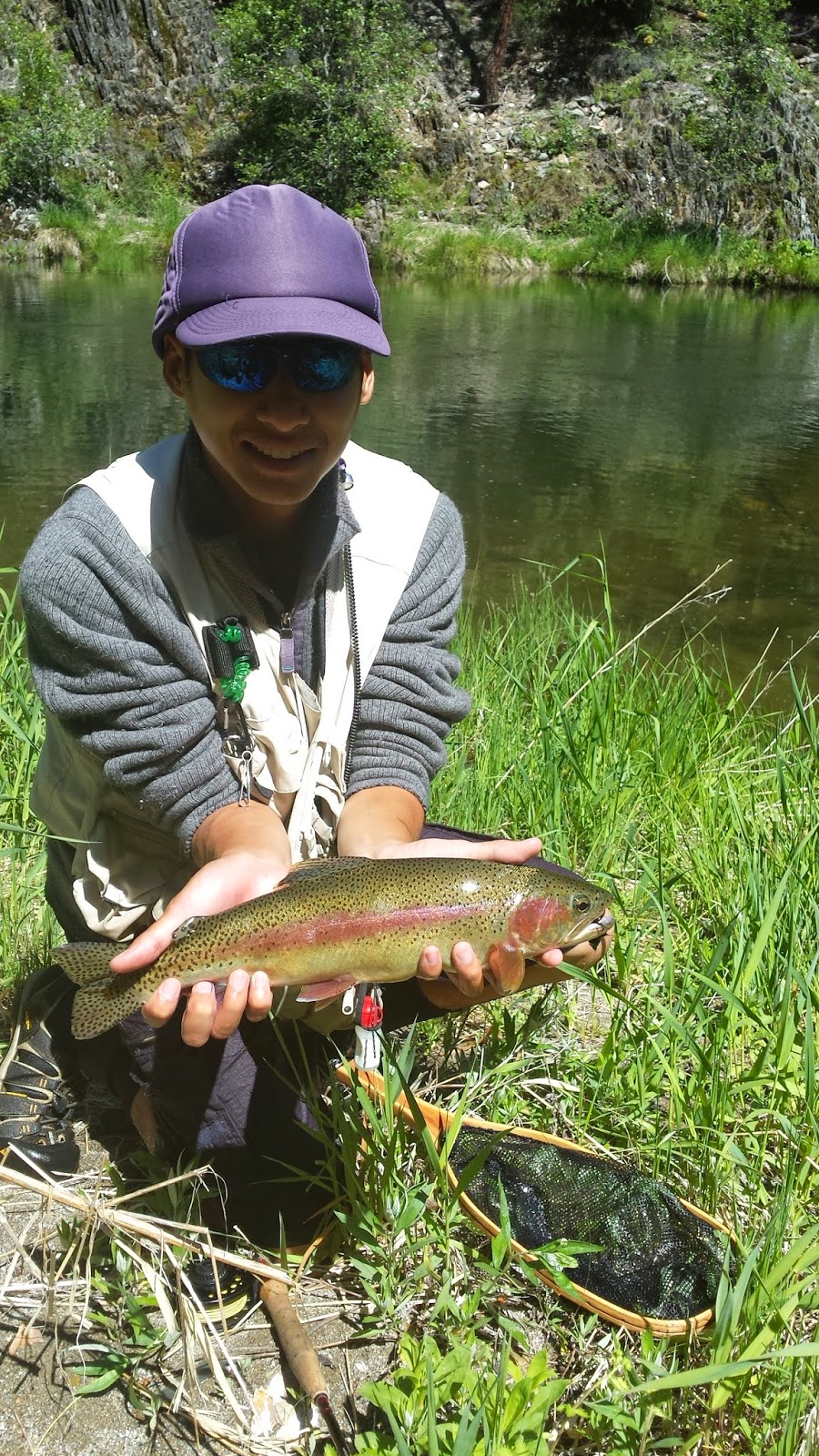
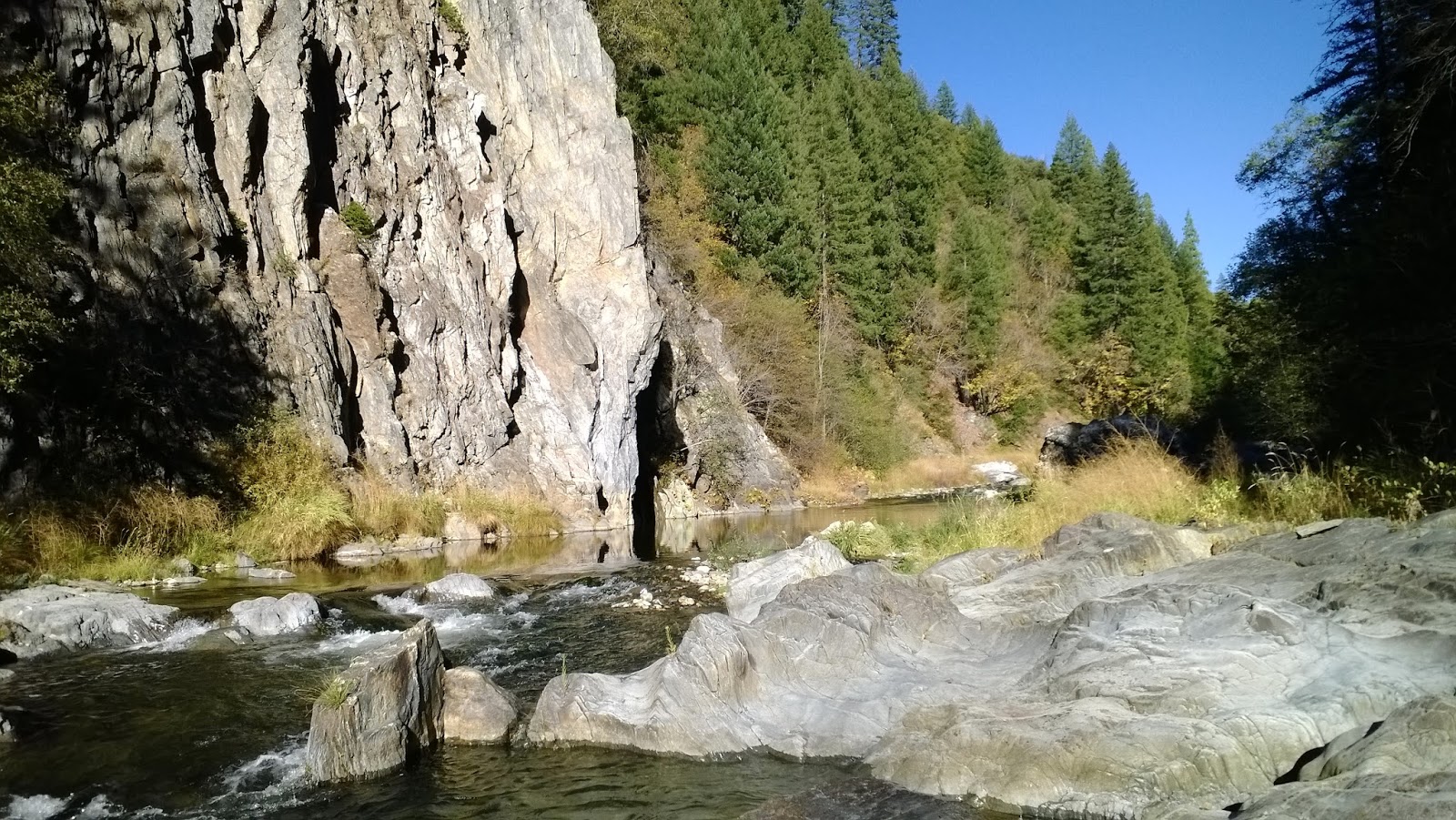
The lower section, also known as the canyon section of the Middle Fork of the Feather River, carves its way through a steep canyon and contains the most difficult access points to the river. Hiking, wading, and canyoneering is the only way to fish this section. Although not the easiest path to traverse, you can find some of the best waters within in the system in this section. A wading staff can be helpful with both wading and hiking. Riffles, runs, and pools will hold hungry trout ranging from 8” – 20”.
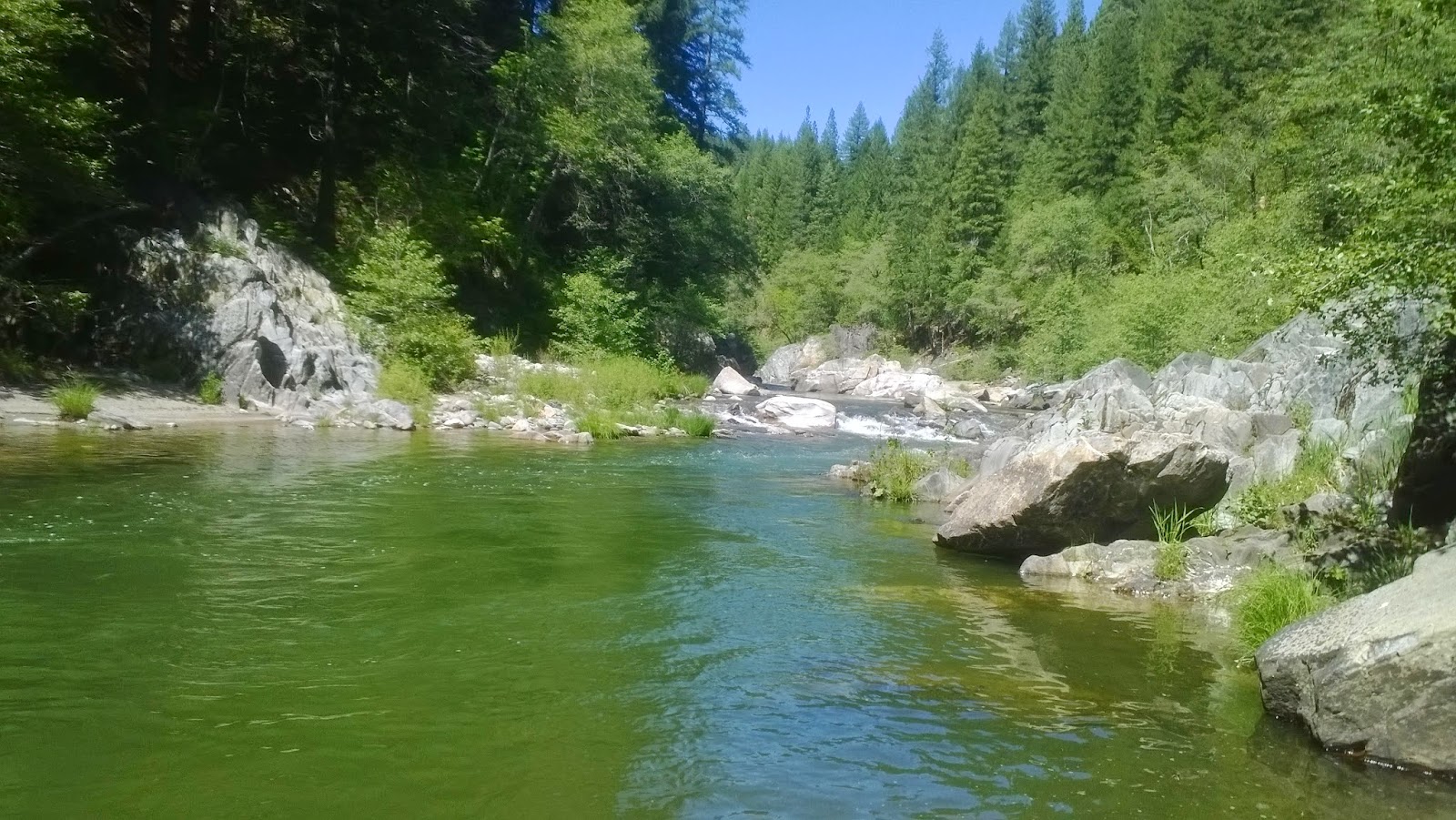
The fish in this section will take a variety of flies. Nymphing is the most productive way to fish this section. Some runs and pools can get deep therefore additional tippet and weight may be necessary to get to where the fish are. Dry fly fishing works best when you can see the fish rising. You can try blind fishing with dries by targeting seams and riffles. Streamers work very well in the canyon. These fish are aggressive and will hit streamers any time of the day.
If you’re planning a day-trip into the canyon make sure you plan on estimating the time it will take to get back to your vehicle. It takes about twice as long to get up the canyon than down it so be aware.
Middle Fork of the Feather River System
Fly fishing guide Jon Baiocchi is one of the few guides that books trips on the Middle Fork of the Feather River. Here are just a few of his many helpful tips.
The fish on the Middle Fork of the Feather River often don’t respond well to flies early in the season when water temperatures are below 55 degrees. The ideal water temperature lies between a slightly warmer 55 to 60 degrees. Nymph deep and slowly during this time of the year or throw streamers on a sink-tip line to try and entice a big bite. As the water warms up to 58 degrees the fish will begin to look up for flies. Try fishing above the feeder creeks to find warmer water in the early season. Feeder creeks run ice cold water into the system and will make fish less comfortable and less likely to eat. Although brown trout are quite rare on the Middle Fork they tend to be caught more during the early season. Don’t expect the fishing to be red hot early in the season, just appreciate the fact that you can get out there and fish some moving water.