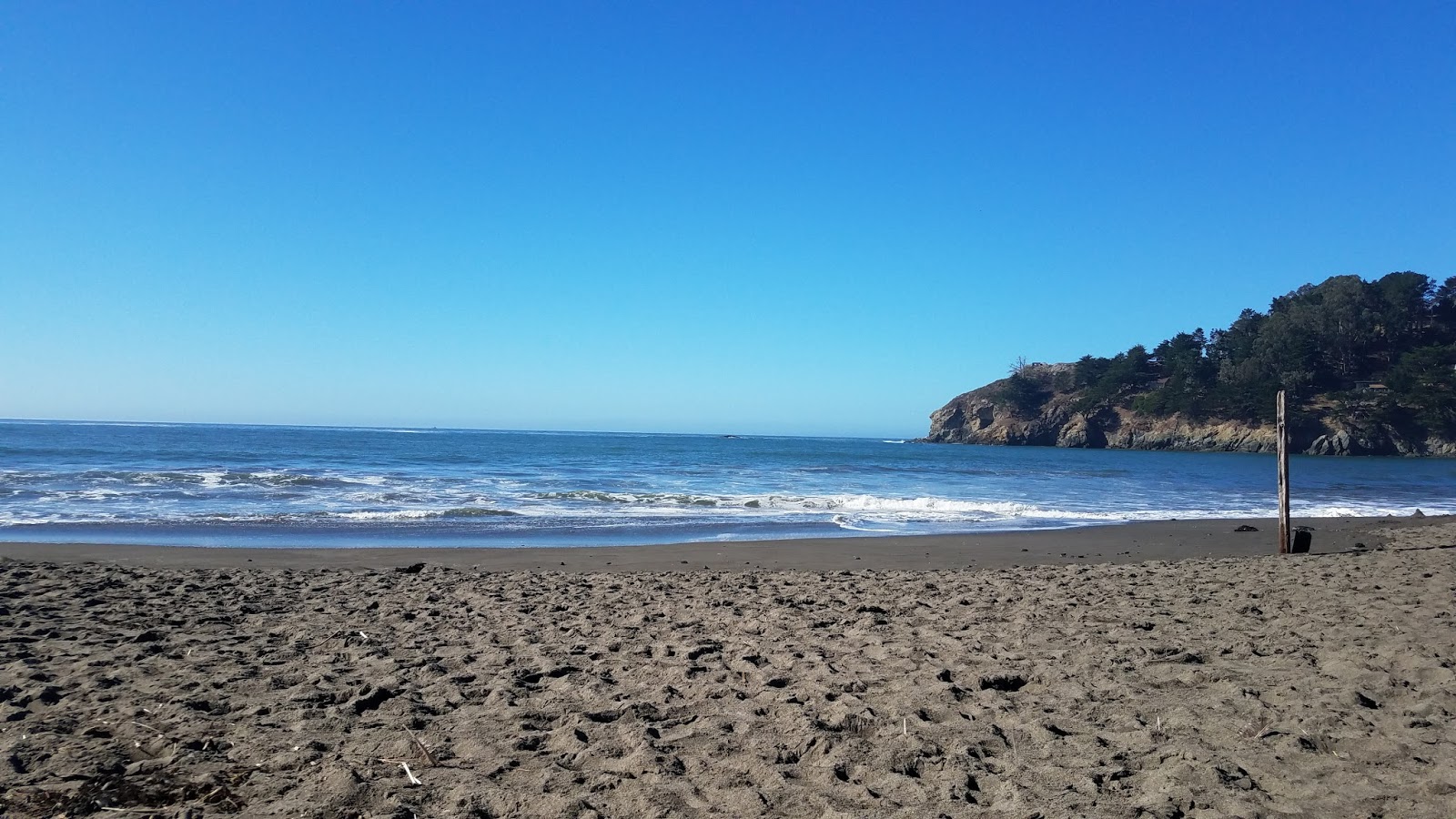
The surf is one of my most favorite places to fish in California. With over 800 miles of coastline and several different species to target, California’s surf is one of the most unique and challenging place to fish in the state. I’ve fished the surf all throughout the state from the northern tip in Crescent City down to the southern border in San Diego and although some trips aren’t as productive as others, nothing beats beach therapy with a fishing rod.
The beaches that I usually fish are outside of San Francisco as they are the closest beaches from me at a 2.5hr drive. Wanting to experience something different I planned a trip to the Central Coast down to Morro Bay. I was able to secure a spot at the Morro Strand Beach Campground and planned on staying two nights to fish the surf and the jetty. My fingers were crossed hoping that the weather and ocean would cooperate with me.
Morro Bay is a long 5 hour drive from my location. I left at around 9am and arrived at my campsite at Morro Strand Beach campground at about 2pm. The campground was okay, it wasn’t very spacious or scenic but it had easy access to the beach. My site was in the middle section where there was a small strip of land between the roads. After taking a break from driving and setting up my tent I set out to the surf at around 4pm. The surf conditions felt pretty tough: I was fishing an incoming tide, the wind was howling over 15-25mph, and the swell periods were tight. Morro Bay appeared relatively flat at Morro Strand Beach but the water still looked pretty good. The beach was full of sand crabs which was a good sign. Rather than trying to fight the heavy wind on my fly rod I opted for my spinning rod I had Carolina rigged with a motor grub. I wasn’t surprised to not find any fish mid-day but kept fishing to try and figure out the evening bite times. I fished the surf hard until last light but didn’t hook a single fish. The surf can be known to be either a hit or miss and this trip was shaping up to be a miss.


The following morning at first light I set out to Morro Strand Bay – Day Use Area. Although I was fishing an outgoing tide I’ve always had better luck finding fish during low light hours. It didn’t take very long for me to find a couple of surf perch but I had to make super long casts to get to where they were. Most of the fish I caught were pretty small about the size of my palm with the exception of a nice-sized jacksmelt. I was doing relatively well until the sun came out after about an hour of fishing. I packed it up and drove up to Cayucos to see if I could find any more fish but got hit with the same skunk I got yesterday despite fishing an incoming tide.

It was only about 8am at this point and I had plans to check out the jetty to see if conditions would allow me to fish off of it with my fly rod. I was able to admire Morro Rock on the walk to the jetty but ultimately found the ocean to be too rough to safely fish. I was defeated. Every plan I had made kept coming up short and staying another night as planned would’ve been miserable so I packed it up and decided to head home. The original plan was to take the HWY 1 through Big Sur to experience the scenic view but I wanted to give the surf one more shot in Santa Cruz.
I started the drive up to Santa Cruz later than I would’ve liked and made it to Sunset Beach at about 6pm. There were a few other anglers in the parking lot gearing up and the report I got from them was good. The surf was looking pretty damn good from the view above the cliff and I was excited. I took my spinning rod outfit, hiked down the cliff, and started casting into a nice looking trough. The fishing was similar to my experience in Morro Bay with just a few palm sized surf perch here and there. After about 30 minutes my Carolina rig broke off and I had forgotten to bring my tacklebox with me to rerig my rod. I hiked all the way back up the cliff, threw my spinning rod in the car, set-up my 8WT fly rod, and hiked all the way back down. I wasn’t very enthusiastic about using my fly rod because I had forgotten to pack my stripping basket but I was willing to try and make it work. I rigged a clouser with a shrimp pattern in hopes of catching an elusive surf striper. I fished until sunset and was able to catch a few small perch and a decent size slab perch that I kept for dinner. After everyone had left I went back to the car to pack up and met a few of the other anglers that were out on the surf with me. We shared reports and all had similar experiences, a few here and there but nothing consistent.
Overall the trip was a bit of a bust. It was nice to explore new places and I’m happy to have caught fish but it would’ve been nice to have caught fish more consistently. The ocean giveth and the ocean taketh.